Living With Fibroids: Practical Tips for Managing Symptoms
Uterine fibroids are a common health condition that affects millions of women during their reproductive years. While many women experience few or no symptoms, others struggle with heavy menstrual bleeding, pelvic discomfort, frequent urination, and fatigue that can interfere with daily life. Understanding how to manage these symptoms can significantly improve overall well-being and quality of life. For women exploring options such as fibroid treatment without surgery, lifestyle adjustments and symptom management strategies can play an important role in maintaining comfort and health.
Understanding Fibroids and Their Impact
Fibroids are noncancerous growths that develop in or around the uterus. They can vary in size, number, and location. Some women may have a single fibroid, while others develop multiple growths.
The symptoms experienced often depend on the size and placement of the fibroids. Common symptoms include:
- Heavy or prolonged menstrual periods
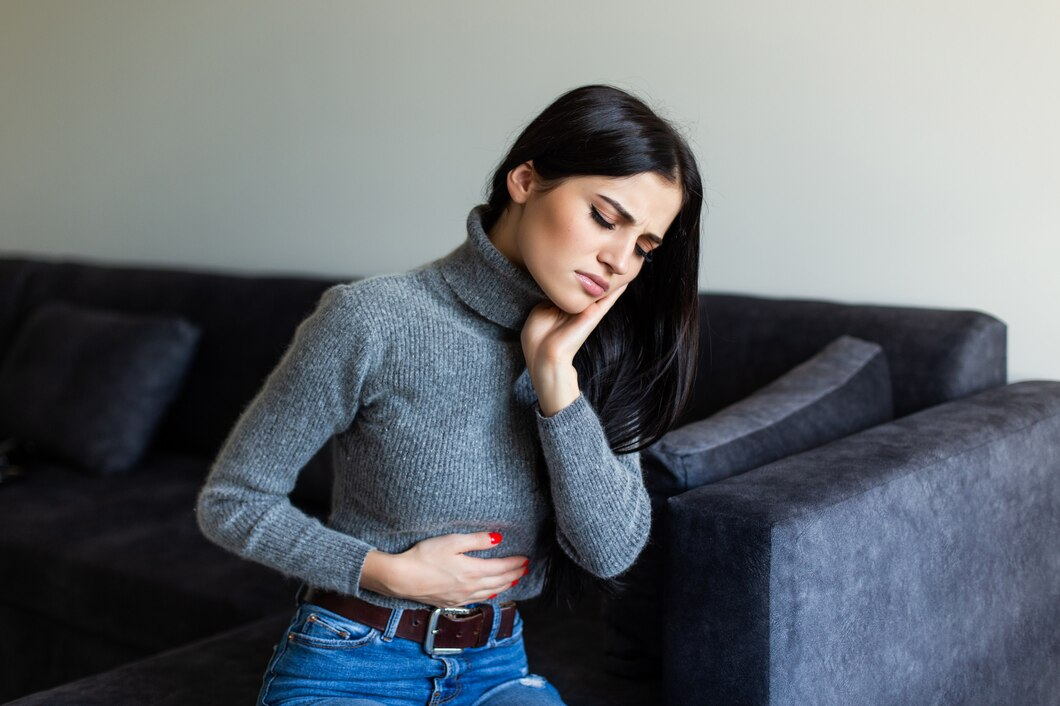
- Pelvic pressure or pain
- Frequent urination
- Constipation
- Lower back pain
- Pain during intercourse
- Fatigue caused by blood loss and anemia
Living with fibroids can be challenging, but there are several practical ways to reduce discomfort and manage symptoms effectively.
Managing Heavy Menstrual Bleeding
One of the most common fibroid-related symptoms is excessive menstrual bleeding. Heavy periods can lead to anemia, fatigue, and reduced energy levels.
Track Your Menstrual Cycle
Keeping a record of your menstrual cycle can help you better understand your symptoms and identify patterns.
Consider tracking:
- Length of menstrual periods
- Flow intensity
- Blood clot frequency
- Pain levels
- Changes in symptoms over time
A symptom journal can also help healthcare providers evaluate how fibroids are affecting your daily life.
Prevent Iron Deficiency
Heavy bleeding can reduce iron levels in the body, leading to anemia.
Foods rich in iron include:
- Lean red meat
- Spinach
- Kale
- Lentils
- Beans
- Fortified cereals
- Pumpkin seeds
Combining iron-rich foods with vitamin C sources such as oranges, strawberries, and bell peppers may improve iron absorption.
Stay Hydrated
Adequate hydration supports circulation and overall health. Drinking enough water throughout the day may help reduce fatigue associated with blood loss.
Reducing Pelvic Pressure and Discomfort
Many women with fibroids experience pelvic heaviness or pressure. This sensation may become more noticeable when fibroids grow larger.
Use Heat Therapy
Heat can help relax muscles and reduce discomfort.
Options include:
- Heating pads
- Warm baths
- Hot water bottles
- Heated wraps
Applying gentle heat to the lower abdomen can provide temporary symptom relief.
Practice Gentle Stretching
Regular stretching may help reduce muscle tension around the pelvis and lower back.
Helpful activities include:
- Yoga
- Pilates
- Light mobility exercises
- Gentle core strengthening routines
These activities may improve flexibility while supporting overall comfort.
Maintain Good Posture
Poor posture can place additional stress on the lower back and pelvic region.
Simple adjustments include:
- Sitting with proper back support
- Avoiding prolonged slouching
- Taking standing breaks during long periods of sitting
- Using ergonomic workstations when possible
Managing Fibroid-Related Fatigue
Fatigue is a common complaint among women living with fibroids, particularly when heavy bleeding contributes to anemia.
Prioritize Quality Sleep
Good sleep habits can support energy levels and recovery.
Healthy sleep practices include:
- Maintaining a consistent sleep schedule
- Limiting screen time before bed
- Keeping the bedroom cool and comfortable
- Avoiding caffeine late in the day
Balance Activity and Rest
While regular exercise is beneficial, overexertion can worsen fatigue.
Try to:
- Listen to your body’s signals
- Schedule rest periods when needed
- Avoid pushing through extreme exhaustion
- Gradually increase activity levels
Finding a balance between movement and recovery can help preserve energy.
Eat Nutrient-Dense Foods
A balanced diet provides the nutrients necessary to support overall health.
Focus on:
- Lean proteins
- Whole grains
- Fruits
- Vegetables
- Healthy fats
- Iron-rich foods
Avoid relying heavily on processed foods that may contribute to energy crashes.
Supporting Hormonal Balance Through Lifestyle Choices
Although hormones are not the sole cause of fibroids, estrogen and progesterone can influence fibroid growth.
Certain lifestyle habits may support hormonal health.
Maintain a Healthy Weight
Excess body fat can affect hormone production and metabolism.
Strategies for maintaining a healthy weight include:
- Consistent physical activity
- Balanced nutrition
- Portion awareness
- Limiting highly processed foods
Even modest weight management efforts may support overall reproductive health.
Increase Fiber Intake
Fiber helps support digestive health and hormone regulation.
High-fiber foods include:
- Oats
- Whole grains
- Vegetables
- Fruits
- Legumes
- Seeds
A fiber-rich diet may also help reduce constipation, which can worsen pelvic pressure.
Limit Excessive Alcohol Consumption
Alcohol can influence hormone levels and overall health.
Moderation may help support:
- Liver function
- Hormonal balance
- Energy levels
- General wellness
Staying Active While Living With Fibroids
Exercise offers many benefits for women managing fibroid symptoms.
Regular movement may help:
- Improve circulation
- Support weight management
- Reduce stress
- Improve mood
- Increase energy
Choose Comfortable Activities
Not every exercise routine works well for women experiencing fibroid symptoms.
Many find relief through:
- Walking
- Swimming
- Cycling
- Yoga
- Low-impact aerobics
Activities that cause significant pain or discomfort should be modified or avoided.
Create a Consistent Routine
Consistency is often more beneficial than intensity.
A sustainable exercise routine may include:
- Daily walks
- Stretching sessions
- Moderate cardio several times per week
- Strength training with proper guidance
Small amounts of regular movement can provide meaningful benefits over time.
Managing Frequent Urination
Fibroids located near the bladder may create pressure that increases urinary frequency.
Monitor Fluid Timing
While hydration is important, timing fluid intake strategically may help reduce nighttime bathroom trips.
Consider:
- Drinking most fluids earlier in the day
- Limiting large amounts of liquid before bedtime
- Reducing caffeinated beverages in the evening
Strengthen Pelvic Floor Muscles
Pelvic floor exercises may improve bladder control and support pelvic health.
Benefits can include:
- Improved muscle strength
- Better bladder support
- Enhanced pelvic stability
A physical therapist specializing in pelvic health may provide additional guidance.
Addressing Digestive Symptoms
Some fibroids can place pressure on the intestines, leading to digestive issues.
Prevent Constipation
Constipation may worsen abdominal discomfort and pelvic pressure.
Helpful strategies include:
- Increasing fiber intake
- Drinking adequate water
- Staying physically active
- Establishing regular bathroom habits
Eat Smaller Meals
Large meals may increase abdominal discomfort in some women.
Smaller, balanced meals throughout the day can help:
- Improve digestion
- Reduce bloating
- Maintain stable energy levels
Managing Emotional Well-Being
Living with chronic symptoms can affect emotional health as well as physical comfort.
Recognize the Emotional Impact
Women with fibroids may experience:
- Frustration
- Anxiety
- Stress
- Reduced confidence
- Concerns about fertility or future health
Acknowledging these feelings is an important part of overall wellness.
Practice Stress Management Techniques
Stress management can improve quality of life and help reduce tension.
Effective techniques include:
- Meditation
- Deep breathing exercises
- Journaling
- Mindfulness practices
- Spending time outdoors
Even a few minutes of daily relaxation can have positive effects.
Build a Support System
Support from family, friends, or support groups can make symptom management feel less overwhelming.
Open conversations may help:
- Reduce feelings of isolation
- Provide emotional encouragement
- Improve coping strategies
Monitoring Symptoms Over Time
Fibroid symptoms can change as fibroids grow or shrink.
Keeping track of changes can help identify patterns and determine whether additional medical evaluation is needed.
Monitor:
- Bleeding intensity
- Pelvic pain
- Urinary symptoms
- Digestive issues
- Energy levels
- Menstrual cycle changes
Consistent symptom tracking provides valuable information and helps women stay informed about their condition.
When Symptoms Become More Challenging
While many women successfully manage symptoms through lifestyle adjustments and monitoring, some may experience symptoms that significantly affect daily activities.
Examples include:
- Extremely heavy menstrual bleeding
- Severe pelvic pain
- Persistent fatigue
- Rapid abdominal enlargement
- Significant bladder or bowel issues
Understanding the available treatment options allows women to make informed decisions about their health while working closely with healthcare professionals.
Conclusion
Living with fibroids can present a variety of physical and emotional challenges, but many women successfully manage their symptoms through practical daily strategies. Paying attention to nutrition, maintaining regular physical activity, supporting emotional well-being, managing heavy bleeding, and monitoring symptom changes can contribute to a better quality of life.
While every woman’s experience is unique, adopting healthy habits and staying informed can make living with fibroids more manageable and help reduce the impact of symptoms on everyday activities.