Why Is Entryway Interior Design Important for Creating a Welcoming and Functional Home?
What Makes the Entryway One of the Most Important Spaces in a Home?
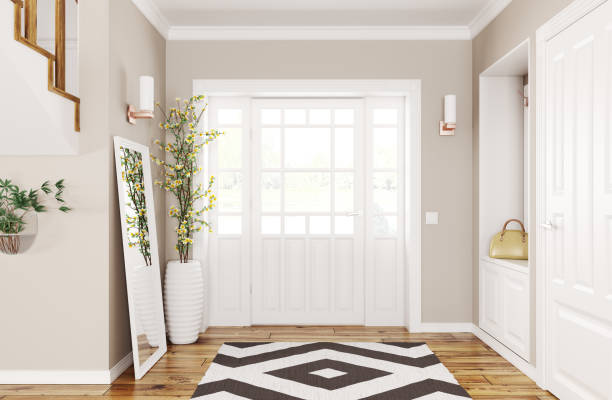
The entryway is often the first interior space people experience when entering a home. While it may not receive the same attention as kitchens, living rooms, or primary suites, its influence on the overall perception of the property is significant. A thoughtfully designed entryway establishes the tone for the rest of the home, creating a sense of style, organization, and comfort from the moment someone walks through the door.
Beyond aesthetics, the entryway serves a practical purpose. It acts as a transition between the exterior and interior environments while helping manage daily activities such as storing coats, shoes, bags, and personal belongings. When properly designed, this area supports functionality without sacrificing visual appeal.
Professional architects and designers understand that successful entryway interior design involves much more than selecting furniture and decorative accessories. It requires careful planning of circulation, lighting, materials, storage solutions, and architectural details to create a space that is both beautiful and highly functional.
How Does Entryway Design Influence First Impressions?
First impressions are formed quickly, and the entryway plays a major role in shaping how a home is perceived. A well-designed entrance creates an immediate sense of quality and attention to detail that carries throughout the entire residence.
Establishing a Strong Design Identity
The entryway introduces visitors to the home’s architectural style and interior design approach. Whether the home features traditional elegance, transitional sophistication, or contemporary simplicity, the entrance should communicate that design language clearly.
Architectural elements that help establish identity include:
- Flooring materials
- Wall treatments
- Ceiling details
- Lighting fixtures
- Millwork and trim
- Decorative focal points
When these features work together cohesively, the entryway becomes an extension of the home’s overall architectural vision.
Creating a Welcoming Atmosphere
A welcoming entryway combines comfort with visual appeal. Natural light, warm materials, thoughtful proportions, and organized layouts contribute to a positive experience for both residents and guests. The goal is to create a space that feels inviting while supporting everyday functionality.
Why Functionality Matters in Entryway Design
While aesthetics are important, functionality is equally critical. Entryways are high-traffic areas that must accommodate daily routines while remaining organized and attractive.
Supporting Daily Activities
The entrance often serves as a staging area for everyday life. Homeowners use the space to enter and leave the home, store personal items, and transition between indoor and outdoor environments.
Effective entryway design supports these activities through thoughtful planning and organization. Features such as storage benches, built-in cabinetry, coat closets, and designated drop zones can significantly improve usability.
A functional entryway helps reduce clutter and promotes a cleaner, more organized home environment.
Improving Circulation and Flow
Architects carefully consider circulation patterns when designing entry spaces. The layout should guide movement naturally toward key living areas while maintaining openness and accessibility.
A well-planned entryway prevents congestion and ensures that the space feels comfortable regardless of the home’s size. Proper circulation also contributes to a more seamless connection between rooms.
Key Elements of Successful Home Entrance Design
Designing an effective entrance requires balancing visual appeal with practical performance. Several architectural and interior design components contribute to a successful solution.
Lighting and Visibility
Lighting plays a crucial role in both functionality and aesthetics. A combination of natural and artificial lighting helps create a bright and welcoming environment while improving safety and visibility.
Layered lighting strategies often include:
- Ambient lighting for overall illumination
- Accent lighting for architectural features
- Decorative fixtures that serve as focal points
Well-designed lighting enhances the appearance of materials and architectural details while creating a comfortable atmosphere.
Flooring and Material Selection
Entryway flooring experiences significant daily use, making durability an important consideration. Materials should be capable of withstanding foot traffic while maintaining their visual appeal.
Popular choices often include natural stone, hardwood, porcelain tile, and other durable surfaces. Material selections should coordinate with adjacent spaces to create a cohesive design experience throughout the home.
Consistency in materials helps strengthen the connection between the entryway and the rest of the interior.
How Can Home Entrance Design Enhance Property Value?
A thoughtfully planned home entrance design contributes to both aesthetic appeal and long-term property value. Because the entryway influences first impressions, it plays a significant role in how a home is perceived by visitors and potential buyers.
Strengthening Architectural Cohesion
The entryway acts as a bridge between exterior architecture and interior living spaces. When design elements are coordinated throughout the home, the result is a more polished and professional appearance.
Architectural cohesion can be achieved through:
- Consistent material selections
- Coordinated color palettes
- Complementary lighting fixtures
- Repeated design motifs
- Unified architectural detailing
These elements create a seamless visual experience that enhances overall property appeal.
Increasing Perceived Quality
Well-designed entryways communicate quality craftsmanship and thoughtful planning. Architectural details, premium materials, and functional layouts demonstrate attention to detail that can positively influence perceptions of the entire home.
Investments in entryway design often deliver value because they affect one of the most visible and frequently used areas of the residence.
The Role of Storage in Entryway Interior Design
Storage solutions are essential for maintaining organization and functionality. Without adequate storage, even the most beautiful entryway can quickly become cluttered and inefficient.
Built-In Storage Solutions
Custom storage features allow homeowners to maximize available space while maintaining a clean appearance. Built-in cabinetry, shelving, and concealed storage compartments help organize daily essentials without disrupting the overall design.
These solutions can be tailored to accommodate the specific needs of the household while supporting the architectural character of the home.
Maintaining Visual Simplicity
One of the primary goals of entryway design is creating a sense of order. Strategic storage helps reduce visual distractions and allows architectural features to remain the focal point of the space.
A clean and organized entryway contributes to a more welcoming and sophisticated environment.
Architectural Details That Elevate Entryway Design
Architectural details often distinguish exceptional entryways from ordinary ones. These features add depth, character, and visual interest while reinforcing the home’s design style.
Ceiling Treatments and Millwork
Decorative ceilings, crown molding, wall paneling, and custom millwork introduce architectural richness that enhances the overall experience of the space. These details can create a sense of elegance without overwhelming the design.
Statement Features
Focal points such as custom lighting fixtures, architectural staircases, decorative mirrors, or feature walls help establish visual interest and create memorable first impressions.
When incorporated thoughtfully, these elements contribute to a balanced and refined design composition.
Why Professional Design Expertise Makes a Difference
Creating an effective entryway requires careful consideration of aesthetics, functionality, and architectural integration. Professional architects bring expertise that helps ensure all design elements work together cohesively.
They evaluate factors such as space planning, circulation, lighting, material performance, and long-term usability to develop solutions tailored to the home’s specific needs. This comprehensive approach helps homeowners avoid common design challenges while maximizing both beauty and functionality.
Rather than focusing solely on decoration, professional design prioritizes how the space will perform over time while maintaining visual appeal.
Conclusion
An entryway serves as far more than a simple passage into the home. It establishes first impressions, supports daily routines, enhances organization, and reinforces the property’s architectural identity. Through thoughtful planning, quality materials, functional storage solutions, and attention to detail, homeowners can create entry spaces that offer both beauty and practicality.
Whether you are building a new home or improving an existing residence, investing in professional entryway design can deliver lasting benefits for both functionality and value. If you are ready to explore customized architectural solutions for your home, Get in touch to discuss your vision with an experienced design professional.