Secret to Creating a Warm and Inviting Outdoor Atmosphere
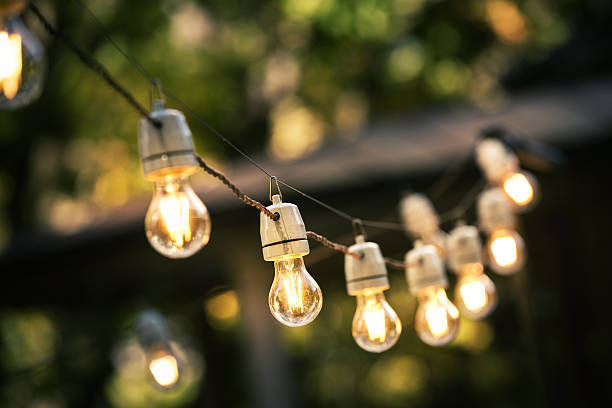
A beautiful outdoor space can become an extension of the home, offering a comfortable place to relax, entertain guests, or simply enjoy nature. One of the easiest ways to transform any patio, deck, or backyard into a welcoming retreat is by using outdoor string lights that create a cozy glow and enhance the overall ambiance. When combined with thoughtful design elements, natural materials, and comfortable seating, any outdoor area can feel warm and inviting throughout the year.
Start with Comfortable Seating
Comfort is the foundation of an inviting outdoor environment. No matter how attractive a garden or patio looks, people naturally gather where they feel relaxed.
Choose seating that encourages long conversations and quiet evenings outdoors. Soft cushions and weather resistant fabrics make outdoor furniture more enjoyable while adding visual warmth.
Consider including:
- Deep lounge chairs with plush cushions
- Outdoor sofas with neutral fabrics
- Wooden benches with decorative pillows
- Hammocks or hanging chairs for casual relaxation
Mixing different seating styles also creates visual interest while accommodating various activities.
Layer Lighting for a Cozy Atmosphere
Lighting plays one of the biggest roles in setting the mood outdoors. Instead of relying on a single bright source, layering different lighting types creates depth and warmth.
Soft lighting is more welcoming than harsh illumination and allows the outdoor environment to feel peaceful after sunset.
Popular lighting options include:
- String lighting across patios
- Lanterns placed along walkways
- Solar path lights
- Accent lighting for plants
- Candle inspired LED fixtures
The combination of multiple light sources creates gentle shadows that make spaces feel intimate rather than overly bright.
Choose Warm Color Tones
Color has a significant impact on how people experience a space. Warm earth inspired shades naturally create a sense of comfort and relaxation.
Instead of bright or overly bold colors, incorporate soft neutrals and natural textures throughout the outdoor area.
Popular color choices include:
- Beige
- Warm gray
- Soft brown
- Olive green
- Terracotta
- Cream
- Sand
Adding these tones through furniture, rugs, pillows, and decorative accessories helps establish a unified design.
Incorporate Natural Materials
Nature already provides some of the best design inspiration. Using authentic materials strengthens the connection between the landscape and the living space.
Wood, stone, wicker, and bamboo all contribute warmth that synthetic materials often cannot replicate.
Natural materials can be used in:
- Patio furniture
- Decorative planters
- Coffee tables
- Pergolas
- Fencing
- Garden edging
The subtle imperfections found in natural materials add character and charm while making outdoor spaces feel timeless.
Add Texture Through Fabrics and Accessories
Texture is often overlooked but has a major influence on creating a cozy atmosphere. Soft textiles help reduce the hard appearance of patios and stone surfaces.
Outdoor rugs define seating areas while blankets and pillows encourage guests to stay outside longer during cooler evenings.
Useful accessories include:
- Outdoor rugs
- Throw blankets
- Decorative cushions
- Table runners
- Weather resistant curtains
Combining different textures creates visual richness without making the design feel cluttered.
Surround the Space with Greenery
Plants instantly make outdoor spaces more welcoming by adding life, movement, and natural beauty.
Mix different plant heights and varieties to create layers throughout the landscape. The combination of flowers, shrubs, ornamental grasses, and climbing vines creates an immersive environment.
Container gardens are especially useful for patios and decks where planting beds may not exist.
Consider incorporating:
- Flowering plants
- Evergreen shrubs
- Small ornamental trees
- Climbing vines
- Hanging baskets
- Herb gardens
The scent and movement of plants contribute as much to the atmosphere as their appearance.
Create Defined Outdoor Rooms
Well designed outdoor areas often function like indoor rooms. Instead of leaving the yard open and undefined, create separate zones for different activities.
Examples include dining areas, conversation spaces, fire pit lounges, and reading corners.
Simple ways to define spaces include:
- Outdoor rugs
- Pergolas
- Decorative screens
- Planters
- Low garden walls
- Different paving materials
Breaking large spaces into smaller destinations makes the environment feel more intimate.
Introduce a Fire Feature
Fire naturally attracts people and encourages relaxation. The gentle warmth and flickering light create an atmosphere that few design elements can match.
Whether using a permanent fireplace or a portable fire pit, the addition of fire extends outdoor enjoyment into cooler months.
Fire features also serve as natural gathering points for families and guests while adding visual interest to the landscape.
Safety should always remain a priority by maintaining proper clearance from structures and surrounding vegetation.
Use Water to Add Calmness
The sound of flowing water has a naturally relaxing effect that enhances outdoor living spaces.
Small fountains, ponds, or cascading water features introduce movement and create soothing background sounds that mask traffic and neighborhood noise.
Water features can range from simple tabletop fountains to elaborate garden ponds depending on available space and budget.
Even a modest fountain can dramatically improve the sensory experience of an outdoor setting.
Decorate with Seasonal Elements
Changing decorations throughout the year keeps outdoor spaces feeling fresh and inviting.
Seasonal updates do not require major investments and can be accomplished with small decorative touches.
Ideas include:
- Autumn pumpkins
- Spring flower arrangements
- Winter lantern displays
- Summer floral centerpieces
- Seasonal wreaths
These small changes help outdoor spaces reflect the changing seasons while maintaining visual interest.
Add Personal Touches
The most memorable outdoor environments reflect the personality of the homeowner.
Unique decorative pieces create a sense of authenticity and make the space feel lived in rather than staged.
Personal elements might include:
- Family heirloom planters
- Handmade pottery
- Decorative sculptures
- Vintage garden signs
- Outdoor artwork
- Personalized garden benches
Carefully selected accessories tell a story while making the space feel more welcoming.
Keep the Space Organized
Clutter can quickly make an otherwise beautiful outdoor area feel uncomfortable.
Organized spaces appear larger, cleaner, and more relaxing. Storage benches and decorative cabinets provide practical solutions for keeping gardening tools, cushions, and outdoor games neatly stored.
Maintaining a tidy environment allows landscaping and decorative features to remain the focal point.
Simple routines such as sweeping patios, trimming plants, and cleaning furniture regularly help preserve the overall appearance.
Balance Open Space and Decoration
An inviting outdoor environment requires balance. Too many decorations can overwhelm the space, while too few can make it feel empty.
Allow breathing room between furniture and decorative pieces so movement remains comfortable.
Negative space is an important design element that allows focal points such as plants, lighting, or water features to stand out naturally.
Thoughtful spacing contributes to a peaceful atmosphere that feels effortless rather than crowded.
Encourage Social Interaction
The best outdoor spaces naturally bring people together. Arranging seating in conversational layouts encourages interaction instead of directing attention toward a single focal point.
Circular furniture arrangements work particularly well around fire pits or coffee tables.
Providing side tables and convenient surfaces for drinks and snacks makes gatherings more comfortable and encourages guests to stay longer.
Flexible furniture that can be rearranged also supports different occasions, from family dinners to larger celebrations.
Conclusion
Creating a warm and inviting outdoor atmosphere is about combining comfort, lighting, texture, greenery, and thoughtful design into a harmonious setting. Every detail, from seating arrangements and natural materials to layered lighting and seasonal decorations, contributes to an environment that feels welcoming and relaxing. By balancing functionality with beauty and embracing natural elements, any outdoor space can become a peaceful retreat that offers comfort and enjoyment throughout the seasons.