Access Control Systems: A Complete Guide to Securing Your Property
What Are Access Control Systems?
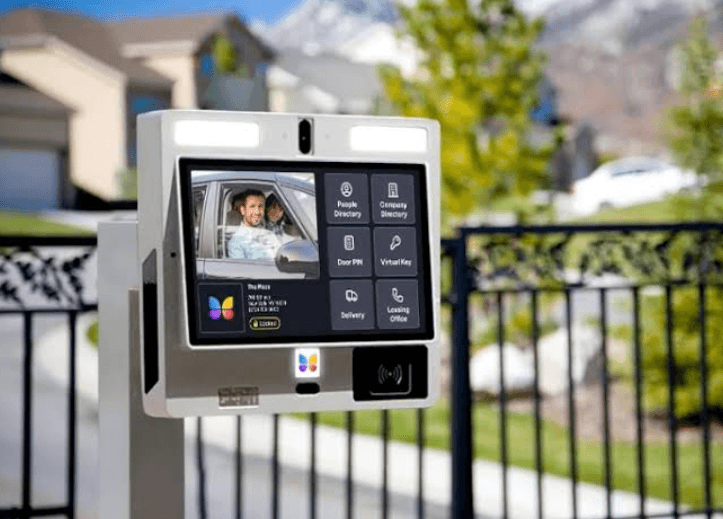
Access control systems are technologies designed to regulate who can enter or exit a physical space, ensuring that only authorized individuals gain access to specific areas. Rather than relying on traditional keys — which can be lost, copied, or stolen — modern access control systems use credentials such as key fobs, mobile app authentication, facial recognition, PIN codes, or QR codes to manage entry.
These systems are used across a wide range of environments, from small offices to large government facilities, healthcare institutions, and industrial sites.
Why Businesses Need Access Control
Enhanced Security Against Unauthorized Entry
Access control systems prevent unauthorized individuals from entering restricted areas, reducing the risk of theft, vandalism, or workplace incidents.
Regulatory Compliance
Industries such as healthcare and finance are subject to strict data protection regulations. Access control systems help organizations comply with standards like HIPAA (protecting patient records) and PCI DSS (securing payment processing areas) by restricting access to sensitive information and equipment.
Operational Efficiency
Traditional lock-and-key systems require manual management — rekeying locks, tracking physical keys, and manually verifying identities. Access control systems automate these processes through rules-based digital permissions, significantly reducing administrative overhead.
Detailed Activity Logging
Modern access control systems log entry and exit times for every credential used, providing valuable data for investigating security incidents or analyzing facility usage patterns.
Types of Access Control Credentials
Modern access control systems typically support multiple credential types, allowing organizations to choose the method that best fits their security needs:
- Facial recognition — touchless, fast, and difficult to duplicate
- Mobile credentials — smartphone-based access via app authentication
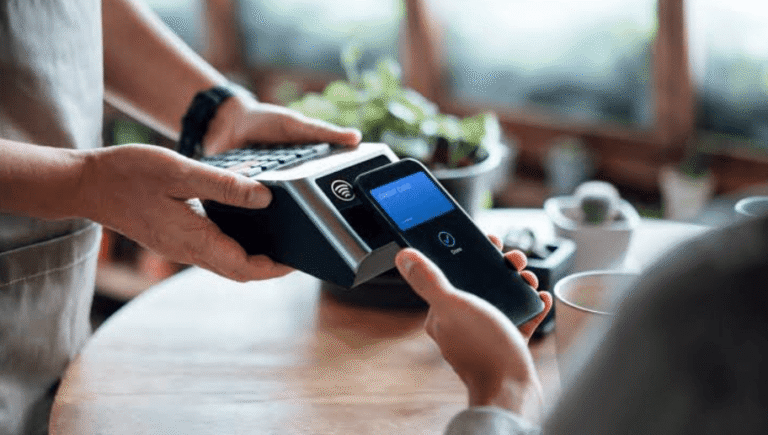
- NFC and key fobs — traditional but reliable proximity-based access
- QR codes — useful for temporary or visitor access
- PIN codes — simple backup access method
Key Features to Look for in an Access Control System
Cloud-Based Management
Cloud-managed access control allows administrators to monitor and adjust permissions remotely, without needing to be physically present at the facility.
Scalability
A quality access control system should be easy to expand as an organization grows, supporting additional doors, credentials, and user permissions without a complete system overhaul.
Integration With Video Surveillance
Pairing access control with security cameras allows organizations to visually verify entry events, adding an additional layer of security and accountability.
Multi-Factor Authentication
For higher-security environments, systems that combine two or more credential types (such as a mobile app plus a PIN) offer stronger protection against unauthorized access.
See also: The Next Billion-Dollar Tech Trend Nobody Is Talking About Yet
Industry-Specific Applications
- Hospitals — restricting access to operating rooms and patient record storage
- Financial institutions — role-based access for different employee tiers
- Warehouses and industrial sites — controlling entry to high-value inventory areas
- Office buildings — managing employee and visitor access across multiple floors
- Residential properties — securing entry points for homeowners and property managers
Access Control and Employee Safety
Beyond protecting physical assets, access control systems contribute directly to employee safety by preventing unauthorized individuals from entering a workplace. This reduces risks associated with workplace violence, theft, and unauthorized access to sensitive equipment or information — while also giving employees peace of mind that their work environment is actively protected.
Final Thoughts
Access control systems have become an essential component of modern security infrastructure, offering far greater flexibility, accountability, and protection than traditional lock-and-key methods. Whether securing a small office or a large industrial facility, investing in a scalable, feature-rich access control system helps organizations protect their people, assets, and sensitive information — while simplifying day-to-day security management.
Common Questions About Access Control Systems
Can access control systems work without an internet connection? Many systems can operate locally for basic entry management, but cloud-based features like remote permission changes and activity logs typically require an internet connection.
How difficult is it to add new users or credentials? Modern cloud-managed systems allow administrators to add or revoke credentials in minutes through a dashboard, without needing to physically reprogram each door or replace locks.
Can access control be combined with existing security cameras? Yes — pairing access control with video surveillance is common practice, allowing organizations to visually confirm entry events and strengthen overall accountability at each access point.