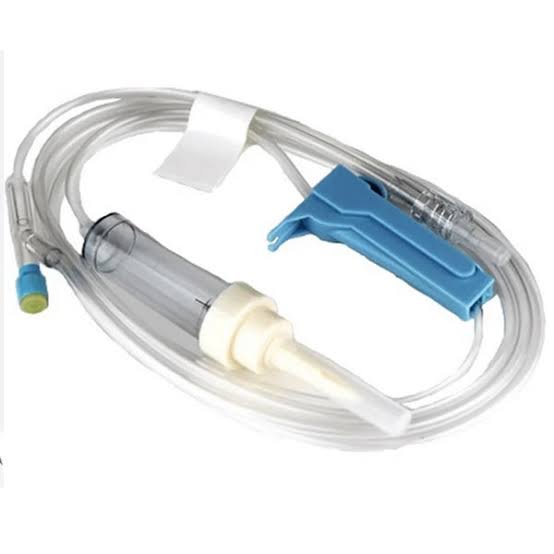
Parts of an IV Set: Manufacturing Perspective on Component Integration
Shifting from a clinical use perspective to a manufacturing viewpoint, examining how the various parts of an IV set come together during production reveals important quality considerations relevant to both manufacturers and healthcare procurement teams evaluating different product options.
Component Sourcing and Assembly Considerations
Manufacturers producing complete IV administration sets need to either produce all parts of iv set assemblies internally or coordinate reliable sourcing of individual components like spikes, drip chambers, clamps, and connectors from various suppliers, with either approach requiring rigorous quality coordination to ensure all components meet consistent specification and integrate reliably during final assembly.
Quality Control at Each Manufacturing Stage
Comprehensive quality control for IV set manufacturing needs to address each individual component’s specification compliance, along with validation of the complete assembled product, ensuring that components meeting individual specifications actually function reliably together as an integrated system throughout the manufacturing and subsequent sterilization process.
Sterilization as a Critical Manufacturing Stage
Following assembly, IV administration sets typically undergo sterilization, commonly through ethylene oxide gas treatment or other validated sterilization methods, requiring all component materials to maintain their functional and structural properties through this process without degradation that could compromise either individual component function or overall set integrity.
Packaging Design Supporting Sterility Maintenance
Beyond the administration set itself, packaging design plays an important role in maintaining product sterility from manufacturing through eventual clinical use, requiring packaging materials and sealing methods validated to maintain barrier integrity throughout the product’s intended shelf life under various storage conditions.
Batch Traceability and Quality Documentation
Manufacturers need robust batch traceability systems allowing identification of specific production lots, supporting effective quality investigation and, if necessary, targeted product recall capability should any quality issues be identified after products have reached distribution or clinical use.
Regulatory Compliance Throughout Manufacturing
IV administration set manufacturing must comply with relevant medical device manufacturing regulations applicable to target markets, including documented quality management systems and appropriate testing validation supporting regulatory submission and ongoing compliance throughout continued production.
Supporting Healthcare Procurement Evaluation
Manufacturers should provide healthcare procurement teams with appropriate documentation supporting product quality claims, including relevant regulatory certifications and, where appropriate, testing data supporting specific product performance characteristics, enabling informed procurement decision-making beyond relying purely on general product marketing claims.
Conclusion
Understanding the manufacturing considerations behind IV set component integration, from sourcing coordination through sterilization and quality documentation, provides valuable context for both manufacturing quality control and informed healthcare procurement evaluation. This manufacturing perspective complements clinical understanding to support comprehensive product knowledge.
FAQs
Q1: Why does component sourcing coordination matter for IV set manufacturing? Whether producing components internally or sourcing from suppliers, manufacturers need rigorous quality coordination ensuring all components meet consistent specification and integrate reliably during assembly.
Q2: How does sterilization affect IV set component material requirements? All component materials must maintain their functional and structural properties through the sterilization process without degradation that could compromise component function or overall set integrity.
Q3: What documentation should manufacturers provide to support procurement evaluation? Relevant regulatory certifications and, where appropriate, testing data supporting specific performance claims, enabling informed decisions beyond general marketing claims