Top Benefits of Installing a Reliable House Alarm System in Cork
Most burglaries in Ireland are not planned like heist films. They are quick and opportunistic: a back window left on the latch, a side gate nobody can see from the road, a house that has been dark for three evenings in a row. Cork’s mix of suburban estates, rural homes and older terraced streets gives thieves plenty of these openings. Properly installed house alarms Cork homeowners can rely on close many of them, and the value shows up in more ways than most owners expect.
A Visible Deterrent Before Anyone Tries the Door
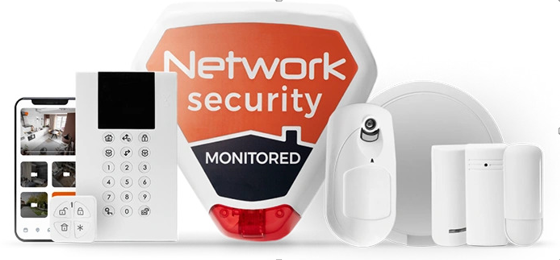
Burglars weigh risk the way anyone does. They look for the house that will take the least time and attract the least attention. A bell box on the front wall, a keypad visible through the porch, or a sticker on the window all signal that entry will be loud and noticed.
Many intruders simply move on after seeing these signs. In Ballincollig, Douglas or Carrigaline, where houses often sit side by side with similar layouts, the one with an alarm is rarely the easiest choice on the road. Stopping a break-in before it starts is the best outcome, because nothing is stolen and no one comes home to a forced door.
Fast Detection When Something Does Go Wrong
Door contacts, motion sensors and glass-break detectors each cover a different method of entry. A sensor in the hallway catches the person who got past the front door. A glass-break detector picks up a smashed patio door at the back, where neighbours are least likely to hear anything.
Modern systems also guard against hazards that have nothing to do with crime. Smoke and heat detectors, carbon monoxide sensors and flood detectors can be wired into the same panel. A kitchen fire at 3 a.m. or a failed boiler flue in a sealed house is detected within seconds, and everyone inside is woken. For families with young children, this matters as much as burglary protection.
See also: Millwright vs Industrial Mechanic: Who Installs What?
Monitoring Means Someone Responds, Even When You Don’t
A siren is useful, but a siren alone depends on a neighbour hearing it, deciding it is real and acting on it. Anyone who has listened to a car alarm go unanswered for twenty minutes knows how often that fails.
A monitored system sends the alert to a receiving centre, where trained staff check the signal and contact the keyholders. If an intrusion is confirmed, they can pass the information on to the Gardaí. Garda response policy in Ireland expects the system to be installed by a contractor licensed by the Private Security Authority (PSA) and to meet the relevant Irish standard, so the quality of the installation affects whether a call gets taken seriously. Security providers such as Network Security handle installation, monitoring and servicing under one roof, which keeps responsibility clear if a fault appears.
Monitoring also covers the situations where you are on a plane, at a match in Páirc Uí Chaoimh, or asleep upstairs with the phone on silent.
Lower Insurance Costs and Smoother Claims
Insurers look at risk, and a monitored, professionally installed alarm lowers it. Many Irish home insurers offer a discount on premiums for homes with a certified system, and some policies set minimum security requirements for higher-value contents or for homes left empty. The size of the savings varies by insurer, so ask yours directly and keep the installation certificate on file.
The paperwork matters in a claim as well. A logged alarm event with a time stamp supports your account of what happened. It also removes the argument about whether the system was set at the time, because the panel keeps a record.
Control From Your Phone
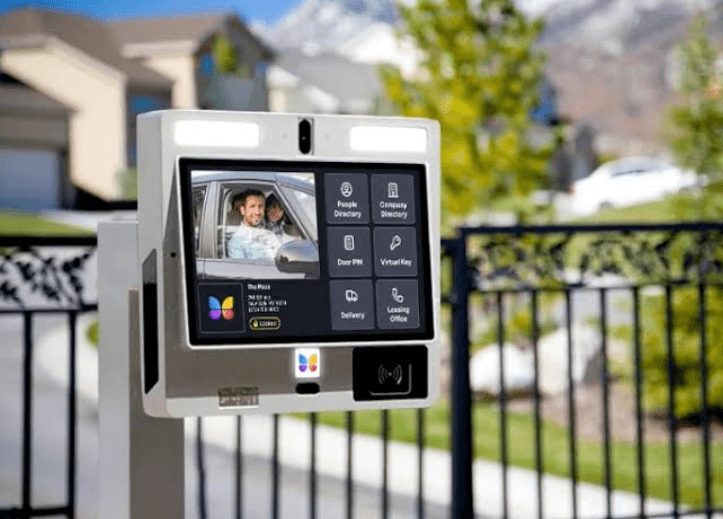
Newer systems connect to an app, which changes how people use them day to day. You can arm the alarm from the car after leaving in a rush, check that the kids have set it when they get in from school, or see which door opened and when. Some setups let you give a cleaner or a dog walker a temporary code that works only on set days and then expires, so you never need to hand out a spare key.
Notifications also reduce the guesswork. Instead of wondering whether the garage door was closed, you can look at the app and know. People who can verify their home at a glance tend to use the alarm consistently, and an alarm that is switched on is far more useful than one that is bypassed because it is a nuisance.
Protection for Empty Homes, Rentals and Older Relatives
Some properties carry higher risk simply because they are unoccupied part of the time. Holiday homes in West Cork, houses between tenants, and the family home of a parent now in care all fit this pattern. Burglars and vandals notice when the post piles up and no lights come on.
An alarm with remote monitoring gives owners a way to keep an eye on a property they cannot visit often. Landlords can use it between lettings, and families can use it to protect a vacant house during probate.
For older relatives who still live at home, alarms can be paired with panic buttons and, in some setups, alerts that go to family members. A person living alone can call for help with one press, even if they cannot reach the phone.
A Calmer Routine at Home
Security changes how a house feels. People with a working alarm tend to sleep better, travel with less worry and stop doing the nightly rounds of checking locks twice. Parents with teenagers who come home late, shift workers who sleep during the day, and anyone who has already been burgled once often describe the same shift: the house stops feeling like something to keep guard over.
For those who have experienced a break-in, the effect is stronger still. The loss of belongings is usually less painful than the sense that someone has been through your space. A visible, active system helps rebuild that sense of safety.
What to Check Before You Hire an Installer
The benefits above depend on the quality of the installation. A poorly placed sensor causes false alarms, and a system that cries wolf gets ignored by owners and neighbours alike. Before signing anything, check the following:
- PSA licence. Any installer working on intruder alarms in Ireland should hold a current licence. Ask to see it.
- Standards compliance. The system should be installed to the relevant Irish standard, with a certificate handed over on completion.
- A survey of your actual property. A good installer walks the house, asks about your routine and pets, and recommends sensors based on how the building is laid out rather than selling a fixed package.
- Clear monitoring terms. Ask what the monthly fee covers, who is contacted and in what order, and what happens if your broadband or power goes down. Look for battery backup and a secondary signalling path.
- Servicing. Alarms need regular maintenance. Confirm who handles servicing and how quickly they respond to faults.
Local knowledge counts for something too. An installer who works across Cork knows which areas see more attempted break-ins, how older stone-built houses affect wiring, and which wireless sensors cope best with thick walls. If you want a survey of your own property and a written quote covering equipment, monitoring and servicing, you can contact the team and arrange a visit at a time that suits you.
Worth Doing Before the Dark Evenings Settle In
Break-ins rise through the winter months, when homes are empty at dusk and the evenings are long. An alarm fitted now is working by the time the clocks have gone back and the commute home happens after dark. It protects what you own, the people under the roof and the insurance policy behind both, and it does so every night without any effort once it is set up.