Why Electrical Enclosures Are Essential for Industrial Safety
Industrial facilities depend on reliable electrical systems to keep operations running efficiently and safely. One of the most important components protecting these systems is enclosed switchgear, which helps isolate electrical equipment from environmental hazards while reducing risks to workers and machinery.
Electrical enclosures serve as protective barriers that shield sensitive electrical components from dust, moisture, debris, accidental contact, and harsh industrial conditions.
As industries continue adopting advanced automation and power distribution systems, properly designed electrical enclosures have become indispensable for maintaining workplace safety and operational reliability.
Understanding Electrical Enclosures
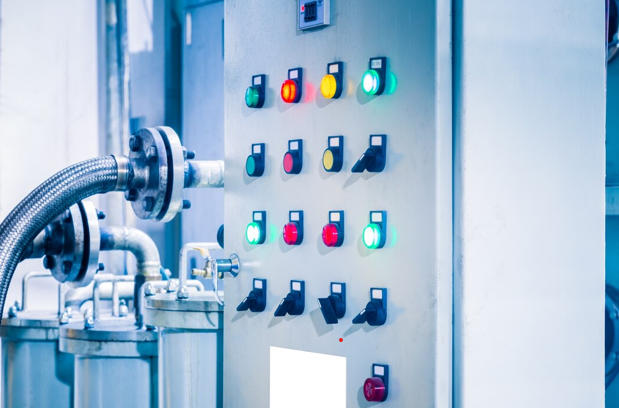
Electrical enclosures are protective cabinets or housings designed to contain electrical components such as switches, circuit breakers, transformers, relays, and control panels. Their primary purpose is to prevent external elements from damaging electrical equipment while protecting workers from accidental exposure to energized parts.
Industrial environments often contain hazardous conditions that can compromise electrical systems if they remain unprotected. Electrical enclosures provide a controlled environment that minimizes these risks.
Common materials used for electrical enclosures include:
- Stainless steel
- Carbon steel
- Aluminum
- Fiberglass reinforced polyester
- Polycarbonate
- Thermoplastic materials
Each material offers different advantages depending on the operating environment and application.
See also: How to Protect Expensive Furniture During Transportation
Protecting Workers from Electrical Hazards
One of the biggest reasons electrical enclosures are essential is their ability to reduce workplace injuries caused by electrical accidents.
Industrial equipment often operates at dangerous voltage levels. Exposed conductors or energized components create serious hazards that may result in:
- Electric shock
- Arc flash incidents
- Burns
- Electrocution
- Equipment-related injuries
By enclosing energized components inside secure cabinets, facilities significantly reduce the possibility of accidental human contact.
Properly designed enclosures also include locking mechanisms that prevent unauthorized personnel from accessing dangerous equipment during operation.
Preventing Arc Flash Exposure
Arc flash events are among the most dangerous electrical incidents in industrial facilities. An arc flash produces extremely high temperatures, intense light, pressure waves, and molten metal particles within milliseconds.
Electrical enclosures help minimize these risks by:
- Containing internal faults
- Limiting exposure to energized components
- Supporting safer equipment isolation
- Reducing accidental contact with electrical circuits
- Providing barriers between personnel and energized systems
When combined with proper maintenance and safety procedures, enclosed systems help reduce workplace injuries caused by electrical faults.
Shielding Equipment from Dust and Contaminants
Industrial facilities generate large amounts of airborne contaminants that can interfere with electrical systems.
Examples include:
- Cement dust
- Wood particles
- Metal shavings
- Textile fibers
- Chemical residues
- Manufacturing debris
Without protection, these contaminants can accumulate inside electrical components, causing overheating, insulation failure, or electrical shorts.
Electrical enclosures create a sealed environment that keeps sensitive equipment clean and operating efficiently even in dusty production facilities.
Protection Against Moisture and Water
Moisture is one of the leading causes of electrical equipment failure. Water intrusion can create corrosion, insulation breakdown, and short circuits that interrupt production.
Electrical enclosures protect equipment from:
- Rain
- Humidity
- Washdown procedures
- Water splashes
- Condensation
- Outdoor weather exposure
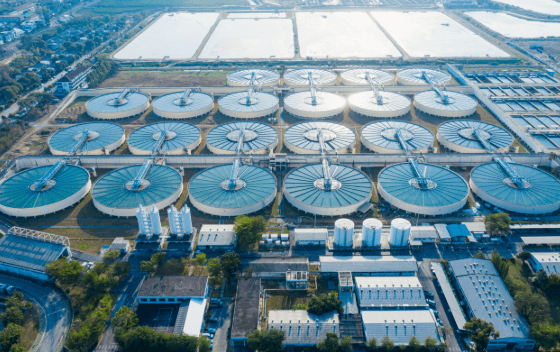
Facilities operating in food processing plants, wastewater treatment plants, chemical facilities, and outdoor substations particularly benefit from moisture resistant enclosure designs.
Reducing Equipment Downtime
Unexpected equipment failure can halt entire production lines and create expensive operational disruptions.
Electrical enclosures improve system reliability by protecting components from environmental damage and mechanical wear.
This protection reduces failures caused by:
- Dirt accumulation
- Moisture intrusion
- Physical damage
- Corrosion
- Temperature fluctuations
- Accidental impacts
Longer equipment life translates into fewer shutdowns and lower maintenance costs for industrial facilities.
Supporting Compliance with Safety Standards
Industrial facilities must comply with strict electrical safety regulations established by national and international organizations.
Electrical enclosures play an important role in helping facilities meet safety requirements by providing standardized protection for energized equipment.
Proper enclosure design supports compliance with:
- Occupational safety regulations
- Electrical installation codes
- Industrial safety standards
- Hazardous location requirements
- Equipment protection classifications
Compliance helps organizations reduce liability while promoting safer working environments.
Preventing Unauthorized Access
Industrial electrical systems should only be accessed by qualified personnel.
Electrical enclosures often include:
- Lockable doors
- Key access systems
- Tamper resistant hardware
- Security interlocks
- Restricted access panels
These features prevent unauthorized employees or visitors from accidentally interacting with dangerous electrical components.
Controlled access improves overall facility safety and reduces human error.
Protection Against Mechanical Damage
Heavy industrial operations involve forklifts, cranes, moving equipment, and high traffic workspaces where accidental impacts can occur.
Electrical enclosures protect sensitive components from:
- Falling objects
- Vehicle collisions
- Equipment vibration
- Tool impacts
- Mechanical abuse
- Production line movement
Strong enclosure construction ensures electrical systems remain operational despite demanding industrial conditions.
Enhancing Fire Safety
Electrical failures can generate sparks or excessive heat that may ignite surrounding combustible materials.
Properly constructed electrical enclosures help contain faults and reduce fire propagation by isolating electrical equipment from nearby hazards.
Additional safety benefits include:
- Limiting oxygen exposure
- Isolating heat sources
- Containing sparks
- Supporting fire resistant construction
- Preventing debris from entering energized equipment
Fire resistant enclosure designs contribute to overall facility risk reduction.
Supporting Safe Automation Systems
Modern industrial plants rely heavily on automation systems that include programmable controllers, sensors, motor drives, and communication devices.
These systems require continuous protection from environmental hazards to maintain reliable operation.
Electrical enclosures help safeguard automation equipment by:
- Protecting delicate electronics
- Maintaining stable internal conditions
- Preventing contamination
- Reducing vibration exposure
- Supporting organized cable management
Reliable automation improves both safety and productivity throughout industrial facilities.
Maintaining Temperature Stability
Electrical components generate heat during operation. Excessive temperatures can shorten equipment lifespan and increase failure rates.
Many industrial enclosures incorporate thermal management solutions such as:
- Ventilation systems
- Cooling fans
- Heat exchangers
- Air conditioners
- Passive cooling designs
- Insulated construction
Temperature control helps maintain optimal operating conditions for sensitive electrical equipment.
Outdoor Electrical Equipment Protection
Outdoor electrical installations face additional environmental challenges that indoor systems do not encounter.
Outdoor electrical enclosures provide protection against:
- UV radiation
- Rainstorms
- Snow
- Windblown debris
- Temperature extremes
- Corrosion
Weather resistant enclosures ensure continuous operation in utility, mining, energy, and infrastructure applications.
Improving Maintenance Safety
Routine maintenance is necessary for industrial electrical systems, but it also introduces safety risks.
Well designed electrical enclosures support safer maintenance by providing:
- Clearly organized components
- Secure isolation points
- Better equipment identification
- Reduced accidental exposure
- Easier inspection access
- Cleaner internal environments
Technicians can perform maintenance more efficiently while minimizing safety hazards.
Choosing the Right Electrical Enclosure
Selecting the appropriate enclosure depends on several operational factors.
Important considerations include:
- Indoor or outdoor installation
- Environmental conditions
- Voltage level
- Dust exposure
- Moisture exposure
- Corrosion risk
- Temperature range
- Chemical exposure
- Mechanical impact risk
- Required safety certifications
Proper enclosure selection ensures long term protection and reliable equipment performance.
The Future of Industrial Electrical Protection
Industrial facilities continue integrating digital technologies, automation, and smart monitoring systems into electrical infrastructure. As electrical systems become more sophisticated, protecting them becomes increasingly important.
Advanced enclosure designs now incorporate enhanced cooling systems, corrosion resistant materials, intelligent monitoring capabilities, and modular configurations that improve both safety and operational efficiency.
Future industrial facilities will continue relying on high quality electrical enclosures to protect personnel, equipment, and critical power distribution systems from evolving environmental and operational challenges. Visit Meta Power Solutions for reliable industrial solutions and products.
Conclusion
Electrical enclosures serve as a critical line of defense in industrial environments by protecting workers from electrical hazards while shielding valuable equipment from contamination, moisture, impact, and environmental damage. Their ability to reduce downtime, improve reliability, support regulatory compliance, and enhance workplace safety makes them an essential component of modern industrial electrical infrastructure.
As industries demand greater reliability and higher safety standards, electrical enclosures will remain fundamental to maintaining secure and efficient operations across a wide range of industrial applications.