Top Reasons to Install Residential Window Films in Modern Homes
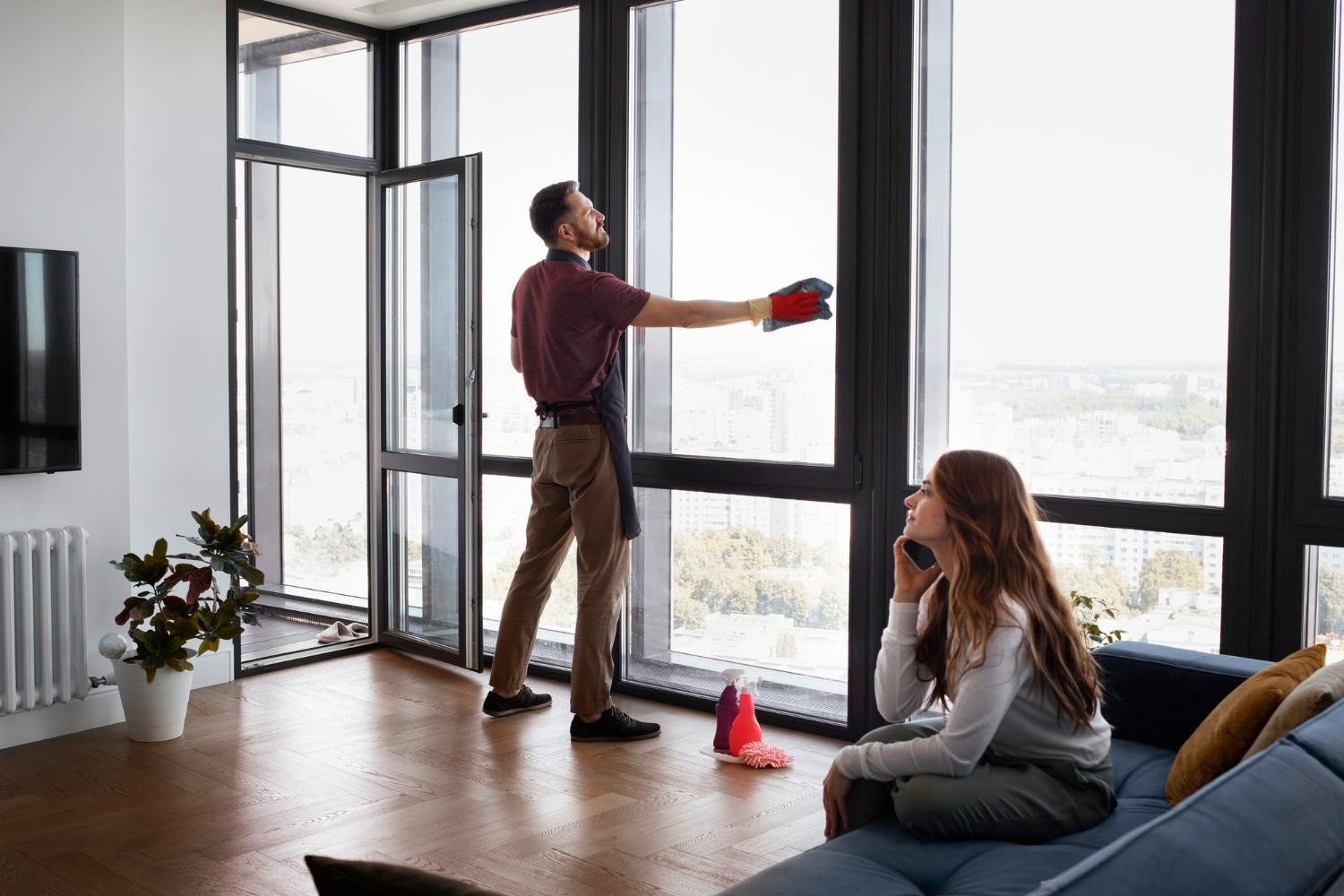
Modern homes are designed to provide a balance of comfort, natural lighting, privacy, and visual appeal. Large windows, glass doors, and open architectural layouts have become popular because they make indoor spaces feel brighter and more spacious. However, extensive glass surfaces can also create certain challenges. Excessive sunlight, unwanted heat, glare, and limited privacy can affect how comfortably homeowners use their living spaces.
Finding practical ways to manage these concerns without compromising the appearance of a home is important. Window films offer a convenient solution by improving the functionality of existing glass surfaces. They are available in different shades, finishes, and performance levels, allowing homeowners to choose options that suit their requirements.
Installing residential window films can provide several advantages, from reducing solar heat to improving privacy and protecting interior furnishings. Understanding these benefits can help homeowners decide whether window film is a worthwhile addition to their property.
1. Improve Indoor Comfort Throughout the Year
One of the main reasons homeowners consider window films is to create a more comfortable indoor environment. Sunlight entering through untreated windows can increase indoor temperatures, particularly during warmer months.
Rooms with large glass doors or windows may become noticeably warmer when exposed to direct sunlight. This can make certain areas uncomfortable, even when the rest of the house maintains a pleasant temperature.
Window films help manage the amount of solar energy entering through glass. Depending on the selected product, they can reduce solar heat gain and help maintain more consistent indoor conditions.
Some common benefits include:
• Reducing excessive heat entering through sun-facing windows.
• Making living rooms more comfortable during sunny afternoons.
• Improving temperature conditions in bedrooms.
• Helping reduce uncomfortable temperature differences between rooms.
• Supporting a more pleasant indoor atmosphere.
The actual results depend on the film’s specifications, window orientation, existing glass, and local weather conditions.
2. Reduce Sunlight Glare in Everyday Living Spaces
Natural light is an important part of modern interior design. It creates an inviting atmosphere and reduces the need for artificial lighting during the day. However, direct sunlight can sometimes become too intense.
Glare can make it difficult to watch television, use a computer, read, or relax near a window. This is particularly common in homes with large windows that receive direct sunlight during specific hours.
Window films can help reduce excessive brightness while allowing natural light to enter.
Where Glare Reduction Can Make a Difference
Living rooms: Reducing reflections on television screens and making seating areas more comfortable.
Home offices: Improving screen visibility for people who work remotely.
Bedrooms: Managing direct sunlight that enters through bedroom windows.
Dining areas: Creating a more comfortable setting for daytime meals.
When choosing a film, homeowners should consider its visible light transmission. This specification indicates how much visible light passes through the film and glass combination.
Selecting an appropriate option helps maintain a bright interior without allowing excessive glare.
3. Increase Privacy Without Completely Blocking Natural Light
Privacy is another important consideration, especially for homes located near busy streets, neighbouring properties, or apartment buildings.
Traditional curtains and blinds provide privacy, but they can also block natural light and make rooms feel enclosed. Window films offer additional choices for managing visibility while maintaining a more open appearance.
Different privacy films are designed for different requirements.
Frosted Window Films
Frosted films create a translucent appearance that allows light to pass through while obscuring clear views. They are commonly used in bathrooms, entrance areas, and windows facing neighbouring properties.
Reflective Window Films
Reflective films create a mirror-like appearance under suitable lighting conditions. They can reduce visibility from one side during certain daytime conditions, although their privacy effect depends on the difference in lighting between the interior and exterior.
They should not be treated as a complete privacy solution at night when indoor lights are on.
Decorative Privacy Films
Decorative options combine privacy with attractive patterns, textures, or finishes. They are useful when homeowners want their glass surfaces to contribute to the overall interior design.
Choosing the right privacy film depends on the room, required visibility, daylight preferences, and the surrounding environment.
4. Protect Furniture and Interior Decorations from UV Exposure
Sunlight can gradually affect the appearance of furniture and other interior materials. Continuous exposure to ultraviolet radiation may contribute to fading and deterioration.
This can be a concern when sofas, wooden furniture, carpets, artwork, or decorative pieces are placed close to windows.
Many modern window films are designed to reject a significant percentage of ultraviolet radiation.
This can help reduce UV exposure and provide additional protection for interior furnishings.
Items that may benefit include:
• Upholstered sofas and chairs.
• Wooden flooring and furniture.
• Curtains and decorative fabrics.
• Carpets and rugs.
• Paintings, photographs, and artwork.
• Indoor decorative accessories.
It is worth remembering that UV radiation is not the only cause of fading. Visible light, heat, and the characteristics of different materials can also influence how quickly colours change.
5. Support Energy Efficiency and Cooling Performance
Energy efficiency is becoming an important consideration in residential property improvements. Homeowners increasingly look for ways to manage energy consumption while maintaining comfortable indoor temperatures.
Windows can contribute to unwanted heat gain because sunlight passes through glass and warms indoor surfaces.
When rooms become warmer, air conditioning systems may need to work harder to maintain the desired temperature.
Solar-control window films can help address this issue by reducing the amount of solar energy entering through windows.
Potential advantages include:
• Lower solar heat gain during warmer periods.
• Reduced cooling demand in sun-exposed rooms.
• More comfortable indoor conditions.
• Better management of temperature fluctuations.
• Potential reductions in cooling-related energy consumption.
However, the amount of energy saved varies between properties. Factors such as insulation, air conditioning efficiency, window size, climate, and film performance all influence the results.
6. Enhance the Appearance of Modern Home Interiors
Window films are not limited to temperature management or privacy. They can also contribute to the appearance of a property.
Modern homeowners often prefer clean, uncluttered interiors with plenty of natural light. Replacing existing glass is not always necessary to achieve a more refined appearance.
Different film finishes can change the way windows look while providing practical benefits.
Popular options include:
Neutral films: These offer a subtle appearance and are suitable for homeowners who prefer minimal visual changes.
Frosted finishes: These provide a soft, translucent look that works well in bathrooms and private spaces.
Decorative patterns: These introduce visual interest and can complement contemporary interior themes.
Reflective finishes: These provide a modern exterior appearance while helping manage sunlight.
A suitable finish can improve the overall appearance of windows without requiring major renovation work.
7. Provide Additional Comfort in Homes with Large Glass Windows
Large windows are popular in contemporary architecture because they connect indoor spaces with outdoor surroundings.
They allow natural light to enter and can make smaller rooms feel more spacious. However, large glass areas can also increase exposure to sunlight.
For example, a home with floor-to-ceiling windows may experience excessive afternoon heat in its living room. Similarly, a bedroom with a large exterior-facing window may receive more sunlight than necessary.
Window films provide an opportunity to improve the performance of these glass surfaces.
Homeowners can choose different films according to the requirements of each room rather than applying the same solution throughout the property.
For instance:
• Solar-control films can be considered for windows receiving strong direct sunlight.
• Frosted films can be used for bathroom windows.
• Decorative films can enhance internal glass partitions.
• Low-reflectivity options can help maintain the natural appearance of exterior windows.
This approach allows different areas of the home to receive solutions that match their individual needs.
8. Offer a Convenient Alternative to Window Replacement
Replacing existing windows can be a major home improvement project. It may involve higher costs, construction work, adjustments to frames, and temporary disruption to everyday activities.
Window film installation is generally less invasive because it uses the existing glass surfaces.
For homeowners whose windows are structurally sound but need better solar control or privacy, films can be a practical option.
Some advantages include:
• No need to replace suitable existing glass.
• Less disruption compared with major window renovation.
• Different options for specific room requirements.
• A wide selection of finishes and performance levels.
• An opportunity to improve glass functionality without changing the overall window design.
However, films cannot correct structural problems such as damaged frames, broken seals, or poorly insulated window units. Those issues may require separate attention.
9. Understand the Different Types of Residential Window Films
Before selecting a product, homeowners should understand the main film categories available.
Solar-Control Films
These films are designed to manage solar energy entering through windows. They can help reduce heat gain and glare.
Ceramic Window Films
Ceramic films use non-metallic technology to provide solar-control performance. They are often considered by homeowners looking for heat management and good signal compatibility.
UV Protection Films
These films focus on reducing ultraviolet exposure. They can be useful for homes with valuable furniture, artwork, or flooring near windows.
Frosted Films
Frosted options obscure direct visibility while allowing diffused light to enter. They are commonly used in bathrooms and private areas.
Decorative Films
Decorative products feature patterns, textures, and different finishes. They can improve the appearance of glass doors, partitions, and windows.
Safety and Security Films
These films are designed to help hold broken glass fragments together in certain breakage situations. Their performance depends on the product, glass type, and installation system. They should not be considered a guarantee against break-ins or severe impacts.
10. Important Factors to Consider Before Installation
Choosing a suitable film involves more than selecting a product based on its appearance.
Homeowners should evaluate the following factors before making a decision.
Window Orientation
The direction a window faces affects the amount and intensity of sunlight it receives. South-facing and west-facing windows may experience different solar exposure depending on the property’s location.
Glass Type
Different types of glass have different thermal characteristics. Film compatibility should be checked before installation, particularly for double-glazed or specially coated windows.
Light Transmission
Consider how much natural daylight you want to retain. A film that is too dark may make certain rooms feel less bright.
Privacy Requirements
Think about whether privacy is needed during the day, at night, or throughout the entire day. Different film types provide different levels of visibility control.
Product Specifications
Compare important performance measurements such as visible light transmission, UV rejection, total solar energy rejected, and glare reduction.
Professional Installation
Proper installation helps achieve a clean appearance and reduces the risk of bubbles, dust contamination, and uneven application.
11. Tips for Maintaining Window Films
Once the films are installed, regular maintenance can help preserve their appearance.
Follow these simple recommendations:
• Allow the film to cure for the period recommended by the installer.
• Use a soft microfiber cloth for cleaning.
• Avoid abrasive sponges and rough cleaning materials.
• Choose cleaning products suitable for window film surfaces.
• Do not use sharp objects to remove marks.
• Follow the manufacturer’s maintenance instructions.
It is also useful to ask the installer about the warranty and recommended cleaning practices before completing the project.
Frequently Asked Questions
1. Are residential window films suitable for all types of homes?
They can be suitable for many different residential properties, including apartments, independent houses, and modern homes with large glass windows. However, the correct product depends on the glass type and installation conditions.
2. Do window films make rooms darker?
Not necessarily. Different products have different visible light transmission levels. Some films are designed to reduce solar heat and glare while maintaining a bright indoor environment.
3. Can window films provide privacy at night?
Some privacy films provide limited daytime privacy but do not guarantee privacy after dark. When interior lighting is brighter than outdoor lighting, visibility from outside may increase. Frosted films offer more consistent visual privacy.
4. Can window films help reduce air conditioning usage?
Solar-control films can reduce heat entering through windows, which may lower cooling requirements. Actual savings depend on the property’s design, climate, and cooling system.
5. Are window films difficult to maintain?
No. Most window films require basic cleaning with suitable products and soft materials. Following the manufacturer’s instructions helps maintain their appearance.
6. Can window films be removed later?
Many window films can be removed when necessary. However, removal methods depend on the product and installation conditions. Professional assistance may be helpful to avoid damaging the glass.
7. How long does window film installation take?
Installation time depends on the number and size of windows, glass accessibility, and the complexity of the project. A professional installer can provide a more accurate estimate after inspecting the property.
8. Do window films completely prevent furniture fading?
No. They can reduce UV exposure and help slow fading, but other factors such as visible light and heat can still affect interior materials.
Conclusion
Modern homes benefit from solutions that improve comfort without compromising their appearance or functionality. Windows play an important role in natural lighting, ventilation, and architectural design, but they can also introduce unwanted heat, glare, and privacy concerns.
Installing residential window films provides homeowners with a flexible way to address these challenges using their existing glass surfaces. From solar-control and UV protection to decorative finishes and privacy improvements, different film options serve different residential needs.
The most effective approach is to evaluate each room individually, understand the available product specifications, and select a suitable film based on the property’s requirements. With the right product and professional installation, window films can become a valuable addition to a comfortable, functional, and visually appealing modern home.