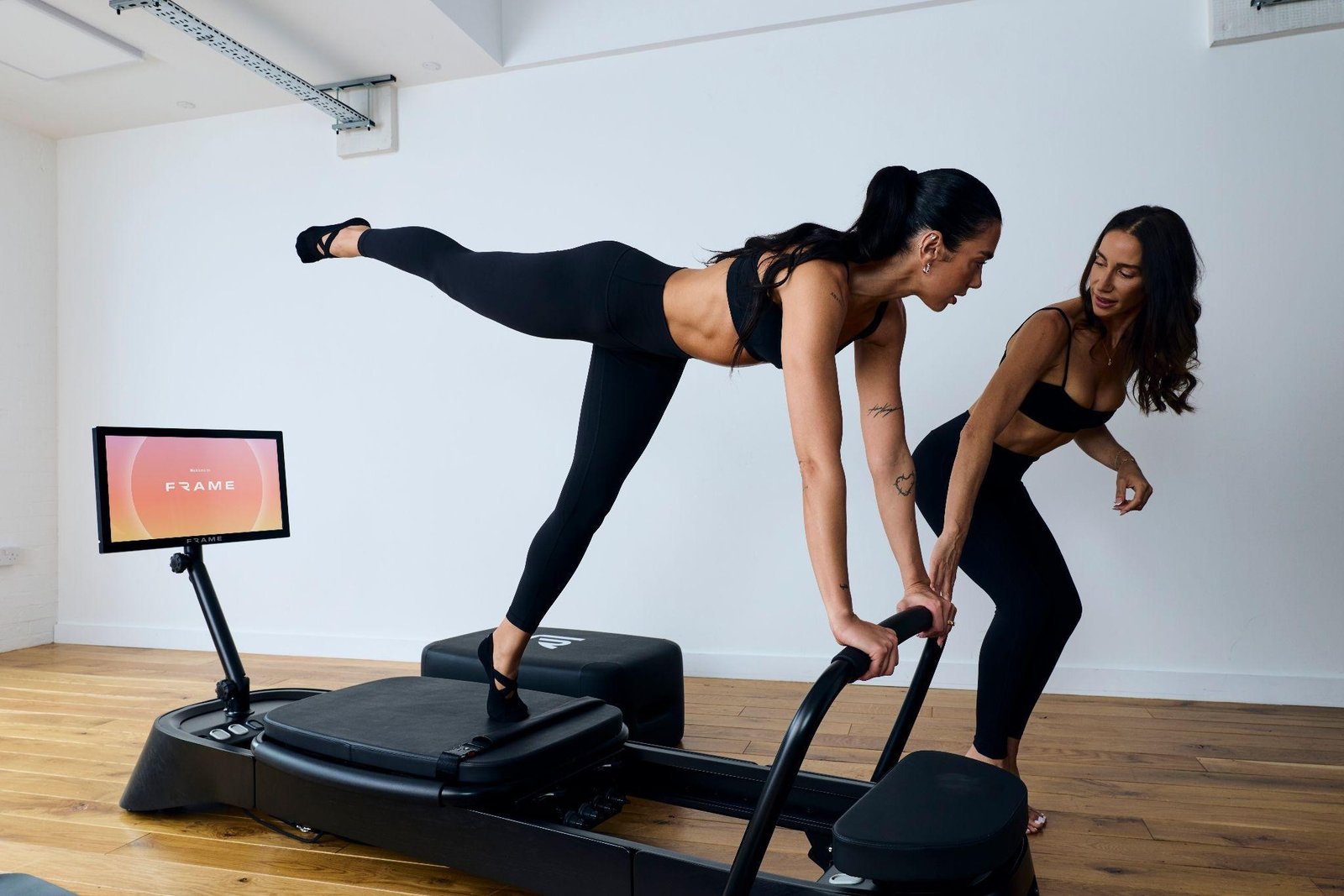
Important Features to Consider When Exploring Pilates Machines Reformer
Pilates has become an increasingly popular form of exercise for people who want to improve strength, flexibility, balance, and overall physical fitness. Unlike workouts that focus mainly on repetitive movements or heavy lifting, Pilates emphasises controlled movement, body alignment, breathing, and stability. One of the most useful pieces of equipment for this type of exercise is the reformer.
A Pilates machine reformer provides a versatile platform for performing different exercises with adjustable resistance. It can support movements that target the core, legs, arms, shoulders, and back while allowing users to work at different intensity levels. Whether someone is setting up a home gym or looking to improve an existing fitness routine, choosing suitable equipment requires careful consideration.
With several designs and configurations available, it is important to understand which features genuinely contribute to comfort, safety, durability, and workout versatility. Knowing what to look for can make the selection process easier and help ensure that the equipment meets your exercise requirements.
What Are Pilates Reformer Machines?
Pilates reformer machines are specialised exercise equipment designed to support controlled resistance based movements. A traditional reformer generally consists of a sliding carriage attached to a frame. The carriage moves along a track and uses springs to provide resistance.
Depending on the model, the equipment may also include a footbar, shoulder rests, adjustable straps, handles, and a headrest.
These components allow users to perform exercises in different positions, including lying down, sitting, kneeling, and standing.
Some common movements performed on a reformer include:
- Footwork exercises
- Leg presses
- Arm pulls
- Core strengthening movements
- Supported stretching
- Balance and coordination exercises
The equipment can be used for beginner friendly movements as well as more advanced exercise variations, depending on the user’s experience and the machine’s design.
1. Strong and Durable Frame Construction
The frame is one of the most important features to examine when selecting a reformer. It supports the entire equipment structure and must remain stable during different exercises.
A strong frame helps maintain proper equipment positioning and supports repeated movement during regular workouts.
When evaluating frame construction, consider:
- Material quality and overall strength
- Stability of the supporting legs
- Quality of joints and fittings
- Resistance to everyday wear
- Overall finishing and workmanship
Some machines use metal frames, while others incorporate wooden construction. Both can be suitable depending on their design, materials, and manufacturing quality.
Rather than focusing only on the material, review the complete construction and the manufacturer’s specifications.
2. Smooth Sliding Carriage
The carriage is the moving platform on which users sit, lie, or position themselves during exercises.
Its movement directly affects the overall workout experience. A carriage that moves smoothly allows users to perform controlled exercises without unnecessary interruptions.
Look for the following features:
- Smooth movement along the tracks
- Stable positioning during exercises
- Minimal unwanted noise
- Comfortable surface padding
- Proper alignment with the frame
The carriage should move without excessive friction or unexpected jerking.
Regular cleaning and maintenance of the tracks can also help preserve smooth movement over time.
3. Adjustable Resistance System
Resistance is an essential part of reformer based Pilates. It determines how much effort is required to move the carriage during different exercises.
Many reformers use springs that can be adjusted to provide different resistance levels. Depending on the design, some machines may offer additional resistance configurations.
A useful resistance system should provide:
- Multiple resistance options
- Secure spring attachment points
- Easy adjustment mechanisms
- Consistent resistance during movement
- Clear instructions for changing settings
Adjustable resistance allows users to modify exercises according to their fitness levels.
Beginners can start with manageable settings, while experienced users can explore different combinations under appropriate guidance.
It is important to understand that resistance selection depends on the exercise being performed. More resistance is not necessarily better for every movement.
4. Comfortable and Well Padded Carriage
Comfort is particularly important because reformer workouts involve several body positions.
Users may spend time lying on the carriage, sitting upright, kneeling, or maintaining supported positions. Insufficient cushioning can make certain exercises uncomfortable.
When exploring different models, examine:
- Carriage padding thickness
- Surface material
- Shoulder support cushioning
- Headrest comfort
- Overall body support
The padding should provide adequate comfort without being excessively soft or unstable.
A comfortable surface can make it easier to concentrate on movement quality rather than adjusting your position repeatedly.
5. Adjustable Footbar
The footbar is an important component used during many reformer exercises. It provides a point of support for the feet and hands, depending on the movement.
Some machines offer multiple footbar positions to accommodate different body proportions and exercise requirements.
An adjustable footbar can be useful for:
- Footwork variations
- Leg presses
- Supported stretching
- Selected upper body exercises
- Different exercise positions
Before purchasing, check whether the footbar can be adjusted securely and whether its positioning is suitable for the intended users.
6. Quality Straps and Handles
Straps and handles help expand the variety of exercises that can be performed on a reformer.
They are commonly used for arm movements, leg exercises, and selected coordination activities.
Since these components are frequently handled and exposed to repeated pulling forces, their quality should not be overlooked.
Consider these points:
- Comfortable grip material
- Strong attachment points
- Adjustable strap length
- Durable stitching
- Suitable handle design
- Easy replacement options
The straps should feel secure during movement and should be inspected regularly for signs of wear.
7. Suitable Shoulder Rests and Headrest
Shoulder rests and headrests provide additional support during selected exercises.
Shoulder rests help maintain positioning on the carriage, particularly when performing movements in a lying position. A headrest supports the head and neck during exercises where this feature is appropriate.
Useful design considerations include:
- Comfortable shoulder padding
- Suitable spacing between supports
- Stable attachment
- Adjustable headrest positions
- Easy cleaning and maintenance
The equipment should allow users to maintain comfortable alignment without unnecessary pressure on the shoulders or neck.
8. Overall Equipment Dimensions
Size is an important factor when selecting a reformer, particularly for people setting up a home workout area.
Before purchasing, measure the available floor space and compare it with the complete equipment dimensions.
Remember to account for:
- Total frame length
- Overall width
- Height of the equipment
- Space required for mounting and dismounting
- Clearance needed around the carriage
- Additional room for accessories
A reformer should fit comfortably within the intended workout area.
Avoid placing equipment so close to walls or furniture that it restricts normal movement.
9. Weight Capacity and Stability
Every reformer has a recommended maximum user weight. This specification should be checked before making a purchase.
The machine should be designed to support the intended user’s weight while maintaining stability during normal exercises.
Important details to review include:
- Maximum recommended user weight
- Strength of the frame
- Stability of the supporting legs
- Secure resistance connections
- Quality of the carriage mechanism
Never exceed the manufacturer’s recommended weight limit.
Stability is especially important during standing and balance based movements. Users should also make sure the machine is positioned on an appropriate surface.
10. Foldable Design and Storage Convenience
Home workout areas often serve multiple purposes. This makes storage an important consideration when selecting larger fitness equipment.
Some reformers are designed with folding mechanisms or storage features that help reduce the space they occupy when not in use.
Before choosing a foldable model, check:
- Whether the folding mechanism is secure
- How much space it requires when stored
- Whether it can be moved safely
- Whether the locking system is reliable
- Whether folding affects its overall stability
Not every reformer is designed to fold, so it is important to review the manufacturer’s specifications rather than assuming that a model is suitable for compact storage.
11. Additional Accessories and Attachments
Accessories can increase the number of exercises available on a reformer.
Some machines include additional attachments, while others offer compatible accessories separately.
Common accessories include:
- Sitting boxes
- Jump boards
- Resistance straps
- Foot loops
- Additional handles
- Sitting and standing supports
A sitting box, for example, can provide an additional platform for selected seated, stretching, and strengthening exercises.
When comparing models, check whether accessories are included in the purchase price or need to be bought separately.
Also confirm that the accessories are compatible with the specific equipment model.
12. Ease of Assembly and Maintenance
A reformer should be practical to assemble, operate, and maintain.
Some models arrive partially assembled, while others require more extensive installation.
Before purchasing, understand the assembly requirements and whether professional assistance is recommended.
It is also useful to check:
- Availability of detailed instructions
- Tools included with the equipment
- Accessibility of moving components
- Ease of cleaning
- Availability of replacement parts
- Manufacturer maintenance recommendations
Regular inspection of springs, straps, fittings, and moving tracks can help identify potential problems early.
13. Check the Noise Level During Operation
Noise may not seem like an important factor initially, but it can influence the convenience of using exercise equipment at home.
A reformer with smooth moving components is generally more comfortable to use, especially in shared living spaces.
Before making a purchase, review user feedback about carriage movement, track noise, and resistance components.
If possible, test the machine to understand how quietly it operates.
Unusual sounds, such as grinding, repeated knocking, or unexpected spring noise, should be investigated rather than ignored.
14. Warranty and After Sales Support
A reformer is an investment, so it is worth understanding what support is available after purchase.
Warranty terms may differ for the frame, resistance springs, carriage, upholstery, and other components.
Check the following details:
- Warranty duration
- Components covered
- Repair and servicing options
- Availability of replacement parts
- Customer support channels
- Return and exchange conditions
Clear after sales support can make maintenance and repairs more manageable over the equipment’s lifespan.
15. Match the Reformer to Your Fitness Experience
The most suitable reformer depends partly on how familiar you are with Pilates.
Beginners may prefer a straightforward design with comfortable padding, simple adjustments, and clear instructions.
Experienced users may look for additional resistance options, more adjustment settings, and compatibility with different accessories.
Before choosing a machine, consider whether it can support your current routine and whether it offers enough versatility for your future fitness goals.
Working with a qualified Pilates instructor can also help you understand the equipment and select appropriate exercises.
Tips for Choosing the Right Pilates Reformer
Before finalising your purchase, keep these practical recommendations in mind:
- Define your primary fitness goals.
- Measure your available workout space.
- Compare frame quality and construction.
- Check resistance settings and adjustment options.
- Examine the carriage and padding.
- Review weight capacity and stability.
- Check the accessories included in the package.
- Understand storage and maintenance requirements.
- Compare warranty coverage.
- Read product specifications carefully.
Taking time to evaluate these details can help you make a more confident purchasing decision.
Frequently Asked Questions
1. What is the most important feature of a Pilates reformer?
Frame stability, carriage movement, and resistance quality are among the most important features. These components influence how comfortably and reliably the equipment performs during exercise.
2. Are Pilates reformers suitable for beginners?
Yes. Beginners can use reformers for basic movements with suitable resistance and proper instruction. Starting with simple exercises can help build confidence and familiarity with the equipment.
3. What resistance system should I look for?
Many reformers use adjustable springs to provide different resistance levels. Look for a system that offers suitable settings, secure attachments, and clear adjustment instructions.
4. How much space does a Pilates reformer require?
Space requirements depend on the equipment’s design and dimensions. Measure the available area and leave additional clearance for safe movement and access.
5. Why is carriage quality important?
The carriage supports the user’s body during exercises and moves along the equipment tracks. Smooth movement and comfortable padding can improve the overall workout experience.
6. Do all reformers include a sitting box?
No. Some machines include a sitting box, while others offer it as an optional accessory. Always check the package details before purchasing.
7. How often should a reformer be maintained?
Basic cleaning and visual inspections should be performed regularly. More detailed maintenance should follow the manufacturer’s recommended schedule.
8. Can one reformer support different fitness levels?
Many reformers offer adjustable resistance and positioning options, allowing users to modify exercises according to their experience. However, the available variations depend on the specific model.
Final Thoughts
Selecting the right reformer involves more than comparing product prices or choosing a design that looks attractive. The frame, carriage, resistance system, padding, straps, adjustment features, and overall stability all contribute to the equipment’s functionality.
When exploring Pilates machines reformer options, focus on the features that match your workout goals, available space, and experience level. It is also important to consider maintenance, accessories, and warranty support before making a final decision.
A well selected reformer can provide a versatile exercise platform for developing strength, flexibility, balance, and movement control. By understanding the important features beforehand, you can choose equipment that makes your Pilates routine more comfortable, practical, and enjoyable.