How to Choose the Right Los Suenos Fishing Charter for Your Family or Group Trip
Los Suenos Marina sits on Costa Rica’s central Pacific coast, a short run from water that produces sailfish, marlin, mahi-mahi and yellowfin tuna. Los Suenos fishing charters leave from one dock and fish the same ocean, but the experience on board can differ a lot. A charter that is perfect for two seasoned anglers can leave a family with young kids bored, sunburned and queasy by 10 a.m. The right choice depends on who is stepping onto the boat and what they want from the day.
This article covers the decisions that matter most, in the order they tend to come up.
Start With the People, Not the Fish
Before comparing boats or prices, write down who is coming. Count heads, note ages, and be honest about experience. A group of six adults who want hard fishing has different needs from three generations of one family where the youngest is seven and the oldest is seventy-two.
Ask a few direct questions inside your group. Does anyone get seasick? Does anyone have mobility limits that make stairs or a narrow deck difficult? Will the kids fish for hours, or do they need breaks, snacks and shade? Is the goal to catch a trophy billfish, or to put fish on the table and enjoy a day on the water? Disagreement here causes more trip friction than any problem with the boat itself, so settle it early.
Boat Size and Layout
Boats operating from Los Suenos range from compact center-consoles to large sportfishing yachts. Size affects comfort, capacity and price.
Smaller boats suit groups of two to four who want a more hands-on day. They are cheaper and nimble, but shade is limited, the bathroom situation is basic or absent, and the ride is rougher in a swell.
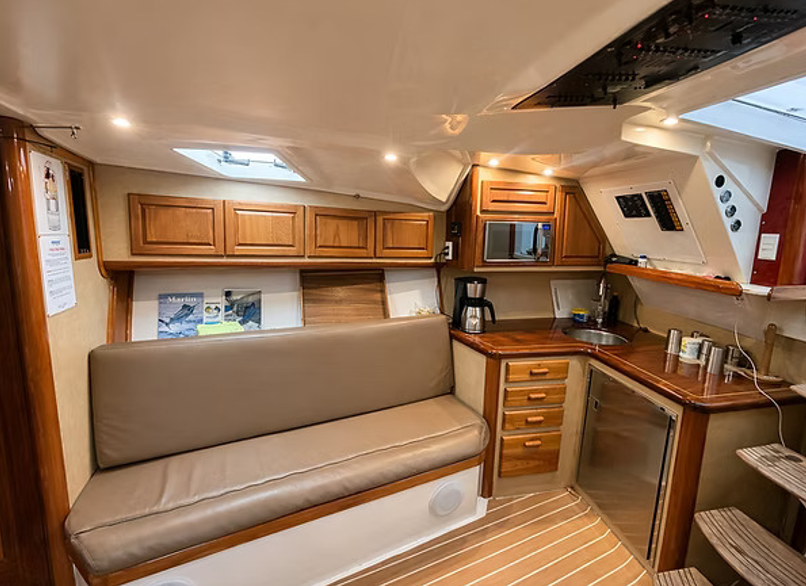
Mid-size and larger sportfishers carry six or more people comfortably. They usually offer an enclosed cabin with air conditioning, a proper head, a shaded cockpit and room to move around. For families with children or older relatives, those features are worth the extra cost. Space also keeps a fishing line from tangling with a wandering toddler.
Check the maximum capacity, but do not book a boat at its limit. A vessel rated for eight is far more pleasant with five or six. Ask how many people can fish at once and where everyone sits when they are not reeling.
Seeing the boats and trip formats side by side makes these differences easier to judge, and the fleet and trip options at Dreamboats Costa Rica are a practical place to start.
Full Day, Half Day, or Something Shorter
Trip length shapes the whole experience, and a longer trip is not always better.
A full day, often seven to eight hours, gives the crew time to run farther offshore, work several spots and fight bigger fish. It suits experienced anglers and groups with real stamina. A half day, around four to five hours, is a better fit for families with younger children, or for anyone trying fishing for the first time. Morning departures are generally the better choice, since the sea is calmer and the heat is lower.
If your group is mixed, a half day with the option to extend, if the boat and crew are free, gives you flexibility without committing everyone to a long haul. Ask whether the operator allows that.
Inshore or Offshore
The target species decide the route. Offshore trips go after sailfish, marlin and tuna. These are the headline catches, and they take time and distance. Inshore trips stay closer to the coast and focus on species like roosterfish, snapper, jack and mackerel. They are shorter runs, usually gentler on the stomach, and often the better choice for beginners and kids who want steady action rather than long waits.
Season also plays a part. The dry months, roughly December through April, bring calm mornings and reliable weather. The green season, May through November, brings rain that usually arrives in the afternoon, so morning trips remain productive, and billfish are caught across the year. A good operator will tell you honestly what is biting during your travel dates instead of promising a specific fish.
Read the Inclusions Line by Line
Two quotes that look similar can cover very different things. Check what the price includes before comparing numbers.
- Fuel, tackle, bait and the mate’s services
- Food and drinks, and whether alcohol is provided or allowed
- Fishing licenses
- Marina and port fees
- Transfers to the dock
- Fish cleaning, and whether you can keep your catch or have it prepared at a local restaurant
- Gratuity expectations for the crew
Fuel is the big one. Some quotes leave it out or add a surcharge for longer runs, which can change the total noticeably. Ask for a written, all-in figure.
If you plan to release most of your fish, ask about the operator’s catch-and-release practices. Many boats release billfish as standard, and a good crew handles the fish carefully so it swims away healthy.
Judge the Crew as Much as the Boat
The captain and mate do most of the work that determines whether your day goes well. They find the fish, set the lines, read the water and keep a group of mixed ability engaged. A modest boat with an experienced, patient crew will beat a showpiece yacht with indifferent staff.
Read recent reviews with this in mind. Look for comments about how the crew treated children, how they handled a slow morning, and whether they explained what was happening. Reviews that mention the crew by name are a good sign. Also ask how long the captain has fished these waters. Local knowledge of currents, bait and seasonal patterns is hard to replace.
For families, ask directly whether the crew is comfortable teaching beginners and working with kids. Some captains love it, and some prefer serious anglers. Either is fine, but you want to know before you book.
Safety, Comfort and Practical Details
Confirm that the boat carries life jackets in the right sizes, including children’s sizes, along with a first aid kit and working marine radio. Ask whether the operator is licensed and insured for charter work. These are routine questions, and a professional operator answers them without hesitation.
Bring sun protection, a hat, polarized sunglasses, a light long-sleeve shirt and non-marking shoes. If anyone in your group is prone to seasickness, they should take medication before leaving the dock, not after the first swell. Eat a light breakfast and drink water throughout the trip.
Book early for travel between December and April, when the best boats fill quickly. A deposit usually holds the date, so ask about the cancellation and weather policy. Rough seas can cancel a trip, and you should know whether you get a refund or a reschedule.
Questions Worth Asking Before You Pay
Keep this short list handy when you contact an operator:
- What is the exact boat, its capacity and what comfort features does it have?
- What is included in the price, and what costs extra?
- What is biting during my dates, and where will we fish?
- What is your policy on weather cancellations and refunds?
- Can I keep the fish, and can you help arrange cleaning or cooking?
- How much experience does the crew have with children or beginners?
The speed and clarity of the answers tell you a lot. An operator who responds quickly, gives specific numbers and does not oversell is usually the one who runs a smooth trip. If you want these answers for your own dates and group size, you can send them through the contact page and compare the replies.
Finding the Fit
The best charter is the one that matches your group, not the one with the longest list of features or the lowest price. A family with young kids will usually do better on a mid-size boat with shade and air conditioning for a morning half day. A group of friends chasing billfish will want a full day offshore with an experienced crew.
Pick the boat that fits the people, set honest expectations about the fish, and the day on the water tends to take care of itself.