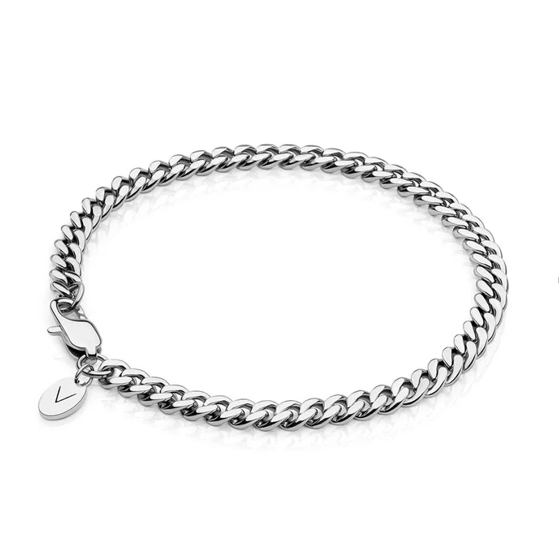
Why Gents Bracelets Are Becoming a Popular Fashion Accessory
Men’s jewellery has expanded beyond traditional watches, rings, and wedding bands. Bracelets now have a regular place in men’s fashion, offering an easy way to add personality to everyday clothing. From simple metal cuffs to leather bands and beaded designs, there are options to suit different tastes and occasions.
The growing interest in gents bracelets reflects a wider acceptance of accessories as part of men’s personal style. Many men now treat bracelets as everyday wardrobe additions rather than items reserved for special events. Their versatility, range of materials, and relatively simple styling make them appealing to people with different fashion preferences.
A Small Accessory With Plenty of Character
A bracelet occupies a visible position on the wrist without requiring a major change to an outfit. This makes it a useful accessory for men who prefer understated styling.
A plain metal bracelet can add detail to a casual shirt and jeans combination. A leather band can introduce texture to a relaxed outfit, while a chain bracelet can complement a smart-casual look.
Unlike larger accessories, bracelets can be worn individually or combined with other pieces. A single bracelet creates a restrained appearance, while two carefully selected designs can produce a more layered style.
The choice depends largely on personal comfort and the type of clothing worn regularly.
See also: How to Find the Correct Cummins Diesel Engine Parts Using Your Engine Serial Number
Different Bracelet Styles for Men’s Fashion
Men’s bracelets are available in numerous designs, each offering a distinct appearance.
Metal Chain Bracelets
Metal chain bracelets are suitable for people who prefer a polished and structured look. Common designs include curb, Figaro, rope, and Cuban links.
Silver-coloured metal provides a clean finish, while gold-toned designs offer a warmer appearance. Stainless steel is frequently selected for everyday jewellery because of its durability and resistance to corrosion.
A medium-width chain bracelet works well with casual shirts, polos, and simple T-shirts.
Leather Bracelets
Leather bracelets offer a more relaxed appearance. They are available as narrow straps, braided bands, wrapped designs, and combinations featuring metal details.
Brown and black leather are particularly versatile because they complement common footwear, belts, and bags. Leather accessories can also introduce texture without making an outfit appear overly decorative.
They are often suitable for casual settings, weekend clothing, and informal social occasions.
Beaded Bracelets
Beaded bracelets provide an opportunity to experiment with colour, shape, and texture. Designs may feature natural stones, wooden beads, glass, or polished metal elements.
Neutral shades such as black, brown, grey, and dark green are easy to coordinate with everyday outfits. Smaller beads create a subtle appearance, while larger beads produce a more noticeable accessory.
Cuff Bracelets
Cuff bracelets have an open design that makes them visually distinct from linked chains. They may be made from stainless steel, silver, or other metals.
Plain cuffs suit minimalist wardrobes, while engraved or textured versions add more visual interest. Their open construction can make them easier to put on, although the fit should be checked carefully to prevent excessive movement.
How Bracelets Complement Different Outfits
One reason bracelets work well in men’s wardrobes is their ability to complement different clothing styles.
For casual outfits, a leather bracelet or simple chain can add detail without competing with the rest of the clothing. Denim, plain T-shirts, chinos, and casual footwear provide suitable combinations.
Office clothing generally calls for more restrained accessories. A narrow metal bracelet or a simple cuff can work alongside a formal watch without drawing too much attention.
For evening events, a polished silver or gold-toned bracelet may provide a more refined finish. The design should complement the rest of the outfit rather than introduce several unrelated metallic colours.
Colour coordination is useful, too. Matching the bracelet’s metal tone with a watch case, belt buckle, or other jewellery can create a more organised appearance.
Wearing a Bracelet Alongside a Watch
Bracelets and watches can be worn together, provided their sizes and designs are compatible.
A slim bracelet placed beside a watch creates a balanced combination. For example, a narrow chain bracelet can complement a stainless steel watch, while a leather band may work with a watch featuring a leather strap.
Avoid wearing several heavy pieces together if they make the wrist feel crowded. Metal accessories can also scratch a watch case or bracelet if they repeatedly rub against one another.
Leaving a small amount of space between accessories helps reduce friction and improves comfort.
Selecting the Right Size and Fit
Appearance should not be the only consideration when buying a bracelet. A piece that feels uncomfortable is unlikely to become part of a regular wardrobe.
Measure the wrist using a flexible measuring tape. Wrap it around the area where the bracelet will sit and record the measurement without pulling it too tightly.
The amount of additional space depends on the design.
Chain bracelets generally need enough room to move slightly without slipping over the hand. Cuffs should fit securely without pinching the wrist. Leather bracelets should feel comfortable even when the wrist bends.
Check clasp construction before purchasing a metal bracelet. A secure clasp reduces the possibility of accidental loss during everyday activities.
Materials Worth Considering
The material determines how a bracelet looks, feels, and performs over time.
Stainless steel is a practical choice for regular wear because it is durable and relatively easy to maintain. Sterling silver offers a traditional finish but requires occasional cleaning to manage tarnishing.
Leather provides flexibility and a natural texture, although it needs protection from excessive moisture. Beaded designs depend on the quality of their stringing material and the strength of their connecting components.
Men with sensitive skin should check the metal composition and avoid materials that cause irritation.
Keeping Bracelets in Good Condition
Bracelets should be cleaned according to their material. Metal designs can usually be wiped with a soft cloth to remove fingerprints and surface oils.
Leather should be kept away from prolonged exposure to water and stored in a dry location. Beaded bracelets should be checked periodically for loose knots, damaged elastic, or cracked beads.
Store jewellery separately to prevent scratches and tangling. Removing bracelets before sports, heavy lifting, and household cleaning can also reduce unnecessary damage.
Finding a Personal Bracelet Style
A bracelet does not need to be expensive or elaborate to make an outfit feel complete. The most successful choices usually reflect the wearer’s clothing preferences and daily routine.
Men who favour classic outfits may prefer silver chains or simple cuffs. Those with relaxed wardrobes might choose leather or natural stone designs. People who enjoy a more noticeable look can experiment with wider links and layered combinations.
Gents bracelets offer plenty of room for individual expression while remaining practical accessories. Selecting a comfortable size, suitable material, and design that works with existing clothing makes it easier to wear them regularly. A thoughtfully chosen bracelet can become a familiar part of personal style rather than an accessory that remains unused in a jewellery box.