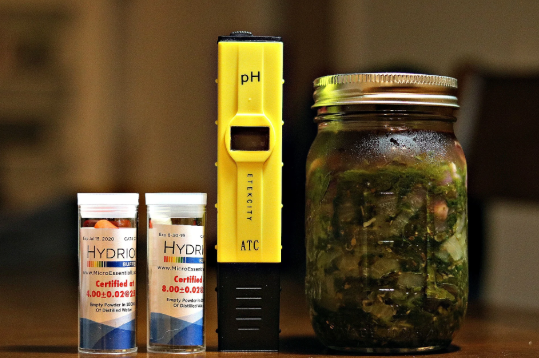
Understanding the Science Behind Fermentation
Fermentation is one of the oldest biological processes used by humans. It plays an important role in food production, biotechnology, agriculture, and industrial manufacturing.
Although fermentation can appear simple, it involves complex interactions between microorganisms, nutrients, temperature, acidity, and time. Understanding the underlying science helps explain why different fermentation processes produce different results.
What Happens During Fermentation?
Fermentation occurs when microorganisms metabolize organic compounds under particular environmental conditions.
Yeasts, bacteria, and other microorganisms can produce different byproducts depending on the available nutrients and the process conditions.
The exact pathway depends on the microorganism and substrate involved.
See also: Planning a Home Renovation? How to Find the Right Design and Build Company
The Role of Glucose
Glucose is an important substrate in many fermentation processes.
Microorganisms can break down glucose to obtain energy. The resulting products depend on the metabolic pathway.
In alcoholic fermentation, yeast converts sugars into ethanol and carbon dioxide under suitable conditions.
The simplified fermentation equation commonly used to represent alcoholic fermentation shows the relationship between glucose and these products.
Yeast and Alcoholic Fermentation
Yeast is widely used in baking, brewing, winemaking, and other food-related processes.
When oxygen availability is limited and suitable sugars are present, certain yeast species can produce ethanol and carbon dioxide.
Carbon dioxide is useful in bread making because it creates gas bubbles that help dough rise. In beverage production, ethanol becomes one of the primary fermentation products.
Conditions That Affect Fermentation
Several variables influence fermentation.
Temperature
Microorganisms have preferred temperature ranges. Conditions that are too cold may slow activity, while excessive heat can damage or inhibit microorganisms.
Sugar Concentration
The amount and type of available sugar can influence microbial activity and product formation.
pH
Acidity affects microorganism growth and metabolic activity.
Time
Fermentation requires sufficient time for microorganisms to process available nutrients. The ideal duration varies by process.
Why Fermentation Is Controlled
Commercial fermentation requires consistency. Manufacturers need to produce similar results from batch to batch.
This requires monitoring temperature, pH, substrate concentration, microbial health, oxygen conditions, and other parameters.
Industrial fermenters can provide controlled environments that make these conditions easier to manage.
Fermentation in Food Production
Fermentation contributes to many familiar foods and beverages.
Examples include bread, yogurt, cheese, fermented vegetables, vinegar, and alcoholic beverages.
Different microorganisms create different flavors, textures, aromas, and chemical compositions.
This diversity is one reason fermentation remains important in food science.
Industrial Applications
Fermentation is not limited to food.
Biotechnology companies use fermentation to produce enzymes, organic acids, pharmaceuticals, bio-based chemicals, and other materials.
Large-scale systems require careful process control because small changes can influence final product quality.
Safety and Quality
Controlled fermentation requires appropriate hygiene and monitoring.
Contamination can change the microbial population and compromise the final product. Industrial facilities therefore use sanitation procedures and controlled production environments.
For food applications, applicable food-safety requirements should always be followed.
FAQs
What is fermentation?
Fermentation is a biological process in which microorganisms metabolize organic compounds under specific environmental conditions.
What does yeast produce during alcoholic fermentation?
Under suitable conditions, yeast converts sugars into ethanol and carbon dioxide.
Why is temperature important?
Temperature affects microbial activity and can influence the speed, efficiency, and outcome of fermentation.
Conclusion
Fermentation is a scientifically complex process with applications ranging from traditional food production to advanced biotechnology. The microorganisms involved, available nutrients, temperature, pH, oxygen conditions, and processing time all influence the final result.
Understanding these relationships allows producers and researchers to design more controlled and consistent fermentation processes.