The Boat Cleaning Supplies Every Owner Should Keep Onboard Before the Season Starts
The first warm weekend of the year tends to expose every shortcut taken last fall. Mildew has crept into the seat seams, the clear vinyl windows look cloudy, and the deck has a gray film that was not there in October. Owners who have the right boat cleaning supplies already stowed can deal with all of it in an afternoon. Those who do not end up making a hardware store run in the middle of what was supposed to be a launch day.
This guide covers what belongs in the locker, why each item earns its space, and what to skip.
Start With a Good Marine Soap
Household dish soap is the usual first reach, and it is the wrong one. Many formulas strip wax and leave a residue that dulls gelcoat. A dedicated marine boat wash is pH-balanced, rinses clean and works in both fresh and salt water. Look for one that foams enough to lift grime but does not need heavy scrubbing.
Buy a concentrate rather than a ready-to-use bottle. It costs less per wash and takes up less room on a boat where every cubby is already full. A capful in a bucket handles most of a deck.
Brushes, Mitts and Microfiber
Tools matter as much as chemicals. A single stiff brush used everywhere will scratch something. A small kit works better:
- A soft-bristle deck brush on a telescoping pole for large surfaces
- A medium brush for non-skid decking, where dirt settles into the texture
- A wash mitt for hull sides and topsides
- A handful of microfiber towels for drying and polishing
- A soft detail brush for hardware, cleats and tight corners
Keep towels separate by job. A cloth that has wiped bilge grime should never touch a window. Color-coding with a strip of tape or different towel colors prevents mix-ups.
A Cleaner Made for Clear Vinyl and Canvas
Enclosure windows are the most neglected surface on many boats, and the most expensive to replace. Clear vinyl scratches easily, yellows with sun exposure and clouds if cleaned with the wrong product. Window cleaner with ammonia and paper towels are the two fastest ways to ruin it.
Use a cleaner formulated for vinyl and acrylic, paired with a clean microfiber cloth. Wipe gently, never dry-rub dust across the surface, and rinse loose grit first. Canvas and Sunbrella-type fabrics need their own treatment too: a mild soap, a soft brush and plenty of rinse water. Pressure washers can force water through stitching and damage seams, so keep them off canvas.
Mildew Remover
Mildew is the most common spring complaint. It grows in damp, dark places: under cushions, along seat stitching, inside lockers and on the underside of covers. A mildew remover made for marine use kills the growth instead of just hiding the stain.
Apply it, give it the dwell time on the label, then scrub lightly and rinse. Do not mix products. Bleach combined with ammonia-based cleaners releases toxic fumes, and cramped boat cabins make that worse. Read labels, work in ventilated spaces and wear gloves.
After cleaning, the cure for mildew is airflow. Prop cushions on their edges, leave locker doors cracked and use a moisture absorber in closed cabins.
Wax, Polish and Protectant
Cleaning removes dirt, but protection keeps it from coming back. Gelcoat oxidizes under UV light, turning chalky and rough. A good marine wax or polymer sealant fills that surface and makes later washes faster, because grime slides off instead of bonding.
For vinyl seating, use a UV protectant made for marine upholstery. It slows cracking and fading. For clear enclosure windows, apply a protectant sold for that purpose after cleaning. Skip anything silicone-based on surfaces you plan to repaint or re-wax, since silicone interferes with adhesion.
Teak and Metal Care
Boats with teak trim need a separate approach. Teak cleaner removes graying and embedded dirt, and a sealer or oil slows its return. Use light pressure and scrub with the grain, since going across it roughens the wood.
Stainless steel hardware shows rust spots and water marks, especially in saltwater. A stainless polish or cleaner restores shine and adds a thin protective layer. Chrome and aluminum fittings do better with products made for their material, so avoid one-size-fits-all pastes.
Bilge and Engine Area Cleaners
Oily residue in the bilge is more than an eyesore. It can foul pumps and create odors. A bilge cleaner breaks down oil and fuel residue so it can be pumped out or absorbed, instead of being flushed overboard. Check local regulations, since discharging oily water is illegal in most places. Oil-absorbing pads are an inexpensive addition that catch drips before they spread.
Wipe down engine surfaces with a degreaser rated for marine engines, and let the engine cool first. A clean engine bay also makes leaks easier to spot.
Rust and Stain Removers
Rust streaks from fasteners and hardware are common on white hulls and decks. A dedicated rust and stain remover handles them in minutes, and acid-based formulas should be used carefully with gloves and eye protection. Test on a hidden area first, especially on colored gelcoat or fiberglass with aged finishes.
Waterline stains and bird droppings are other frequent offenders. Gelcoat-safe stain removers deal with both. Handle bird droppings quickly, since the acid in them can etch finishes if left to bake in the sun.
Odds and Ends That Save Time
Some items are not glamorous but earn their keep:
- Two buckets, one for soapy water and one for rinsing the mitt
- A hose nozzle with adjustable spray
- A chamois or squeegee for windows and glossy surfaces
- Nitrile gloves and safety glasses
- A small spray bottle for diluted cleaner
- Trash bags and a roll of paper towels for spills
- A soft sponge for interior surfaces
Store chemicals in a ventilated locker, upright and secured so they do not tip in rough water. Label anything you decant. Check expiration dates each spring, since some concentrates lose strength over time.
A Pre-Season Routine That Works
Order matters. Work top to bottom so dirty water does not run over finished surfaces. Start with the canopy and enclosure, then move to topsides, decks, cockpit and cabin, and finish with the bilge and engine area. Rinse thoroughly between steps and let surfaces dry before waxing or applying protectant.
Spreading the job across two short sessions beats one exhausting day. Spend the first on cleaning and the second on protection. A boat that is clean and sealed by opening weekend needs far less work through the summer.
Choosing Products You Will Actually Use
A shelf full of specialty bottles is no help if half of them are wrong for your boat. Buy based on the surfaces you have: vinyl windows, canvas, gelcoat, teak, stainless. Skip duplicates, and replace products that have gone stale or whose labels have faded.
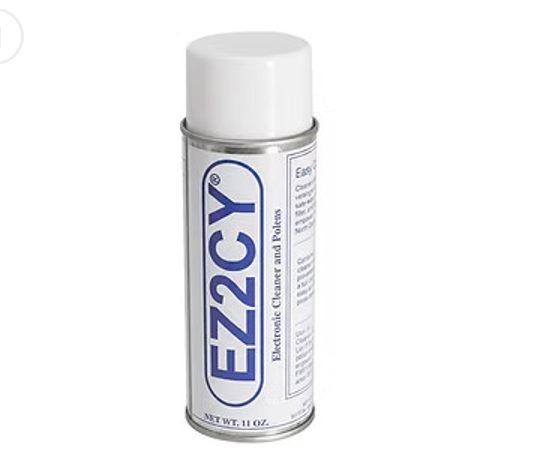
For a place to start comparing, the full range at EZ2CY covers enclosure and vinyl care among other needs, and it helps to read the product details before deciding what goes in the locker.
A stocked locker and a short routine turn spring prep from a chore into a Saturday morning. The boat looks better, lasts longer, and the first trip of the year starts with a clean deck instead of a to-do list. If you are unsure which product suits your windows or canvas, send a question through the contact form and ask before buying.