Double Arched Interior Doors: Combining Classic Design With Modern Living
Architectural details often determine the character of an interior. While straight lines and rectangular openings remain common in contemporary homes, curved architectural features can introduce a softer and more distinctive appearance. Double arched interior doors offer an interesting way to bring this traditional design element into modern residential spaces.
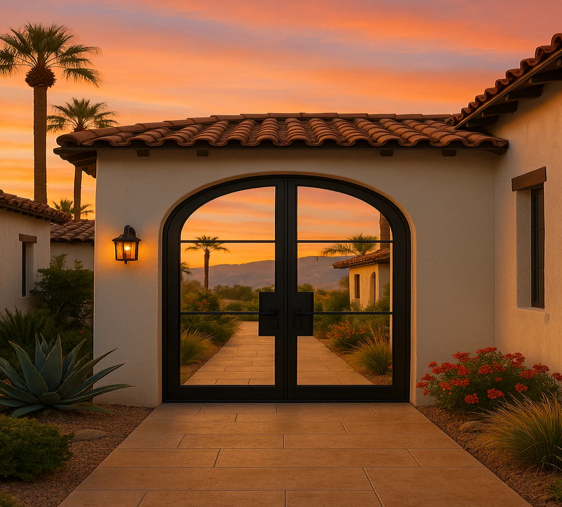
Featuring two adjoining door leaves beneath an arched frame, these doors create a balanced entrance between rooms. Their shape draws inspiration from classical architecture, yet they can be adapted to suit contemporary interiors through careful material selection, glazing, and hardware choices.
Explore the elegance and functionality of double arched interior doors, which bring timeless architectural charm, enhance room connections, and create a more open and inviting living space.
The Architectural Appeal of Arched Doorways
Arched openings have appeared in architecture for centuries. They were commonly used in classical buildings, traditional residences, and historic public spaces because of their distinctive proportions and visual balance.
The curved upper section creates a different appearance from a standard rectangular doorway. It draws attention towards the entrance and can make the surrounding wall feel more carefully designed.
Double arched interior doors extend this effect through a pair of coordinated panels. The two leaves create symmetry, while the curved frame introduces a softer outline.
This combination works particularly well in properties with high ceilings, generous hallways, and open-plan layouts. It can also provide an attractive feature between living rooms, dining areas, and entrance spaces.
See also: Why Aluminum Piling Lights Are a Smart Choice for Waterfront Properties
How Double Doors Improve the Flow Between Rooms
One practical advantage of double interior doors is the width of the opening they can provide.
A single door may restrict movement between larger rooms, particularly when furniture, storage units, or household equipment need to be moved. Double doors allow both leaves to open, creating a wider passage.
This arrangement is useful between a kitchen and dining room, where people may regularly carry food, dishes, and other items. It can also benefit connections between living rooms and entertaining spaces.
The two leaves can be opened together when a wider entrance is needed or used individually for ordinary movement, depending on the hardware configuration.
The arched frame gives the opening a more decorative character without requiring additional ornamentation elsewhere in the room.
Materials That Suit Different Interior Styles
The material selected for double arched doors influences their appearance, weight, durability, and maintenance requirements.
Timber: Wooden doors suit traditional, rustic, and transitional interiors. Oak, walnut, and other timber finishes can introduce warmth and visible natural grain. Painted timber provides a cleaner appearance for rooms with lighter colour schemes.
Aluminum: Aluminum-framed designs work well in contemporary homes. Their relatively slim profiles can accommodate larger glass panels, allowing the doors to maintain a light and open appearance.
Glass: Glass panels can be incorporated into timber or metal frames. Clear glazing supports visual connection between rooms, while frosted or textured glass offers greater privacy.
Composite materials: Certain composite door systems provide a consistent finish and can be manufactured in different styles. Their suitability depends on construction quality and the intended installation location.
Material selection should account for the home’s overall interior design rather than treating the doorway as an isolated feature.
Glass Panels for a Brighter Interior
Natural light can make enclosed areas feel more comfortable and visually spacious. Solid interior doors separate rooms effectively, but they also block daylight travelling between spaces.
Double arched doors with glass panels offer an alternative. Their glazed sections allow light to pass through while maintaining a defined boundary between rooms.
For example, a pair of glazed doors between a hallway and living room can help brighten an entrance area. Similarly, doors connecting a dining room and kitchen can maintain a visual connection while providing separation when required.
Different glass finishes serve different purposes. Clear glass provides maximum visibility, while frosted glass reduces direct views into private areas. Reeded glass offers a decorative appearance with some visual screening.
Safety glazing should be specified where required by local building regulations and the door’s location.
Incorporating Arched Doors into Modern Interiors
Although arched doors have historical associations, they do not need to look old-fashioned.
A simple frame, minimal hardware, and restrained finish can give the design a contemporary character. Black aluminum frames paired with clear glass, for example, can suit industrial and minimalist interiors.
For warmer spaces, natural timber paired with neutral walls creates a more relaxed appearance. Painted white doors can blend into traditional interiors, allowing the curved outline to provide the main decorative detail.
The surrounding architecture also matters. An arched door should have suitable proportions in relation to the ceiling height, wall width, and adjoining furniture.
In smaller rooms, an oversized doorway may dominate the space. A carefully measured design helps maintain visual balance.
Privacy and Sound Control
Double arched doors can provide separation between rooms, although their performance depends on construction and installation.
Solid door panels generally offer more privacy than extensively glazed designs. Acoustic performance also depends on the door’s weight, seals, frame construction, and gaps around the opening.
For home offices, study areas, or rooms where conversations need to remain private, solid or partially glazed panels may be more suitable.
Where glass is preferred, laminated or specialist acoustic glazing can be considered. The frame and perimeter seals should also be specified to reduce sound transfer.
It is worth discussing these requirements before ordering a custom door because decorative preferences and practical performance need to work together.
Installation Requirements and Hardware Selection
Arched doors require accurate measurements and suitable frame construction. Unlike standard rectangular doorways, the curved upper section needs to be manufactured to match the intended opening.
A professional installer should check the wall dimensions, floor level, hinge positions, and available clearance. The two leaves must align properly when closed and move without rubbing against the frame.
Hardware should complement the door’s weight and material. Hinges need to support each leaf, while handles and latches should be easy to operate.
Homeowners should also decide whether the doors need to open inwards, outwards, or in both directions where the design permits.
Maintaining Their Appearance Over Time
Maintenance depends on the materials used. Timber doors may need occasional refinishing, particularly in areas exposed to regular handling or sunlight. Aluminum frames usually require simple cleaning and periodic hardware inspections.
Glass panels can be maintained using suitable glass cleaners and soft cloths. Hinges, handles, and latches should be checked periodically to ensure that the doors continue to operate smoothly.
Regular care prevents small alignment or hardware problems from becoming more difficult to correct.
A Distinctive Feature for Thoughtfully Designed Homes
Double arched interior doors bring together classical architectural proportions and the practical benefits of double-door access. Their shape creates visual interest, while material and glazing choices allow them to suit different residential styles.
With suitable measurements, well-selected hardware, and professional installation, they can become a lasting architectural feature that connects rooms without making the interior feel divided.