Why Aluminum Piling Lights Are a Smart Choice for Waterfront Properties
Waterfront properties offer attractive outdoor spaces, but their location also creates specific maintenance and safety requirements. Docks, piers, walkways, and seawalls are regularly exposed to moisture, saltwater, changing temperatures, and direct sunlight. Outdoor lighting installed in these areas must withstand environmental pressure while providing enough illumination for people moving around the property.
Piling lights offer a practical way to illuminate vertical dock structures and mark important areas along the waterfront. Aluminum models are particularly suitable because they combine a relatively lightweight construction with useful resistance to corrosion when properly finished and maintained. Their appearance also works well with different waterfront architectural styles.
What Makes Piling Lights Useful?
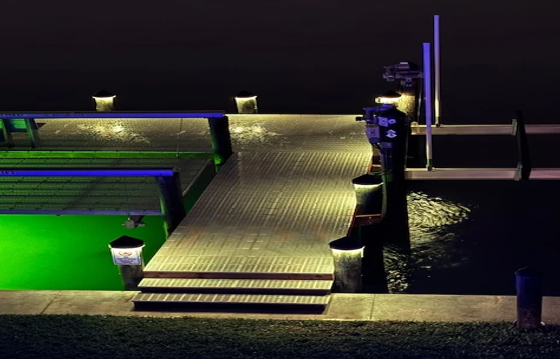
Aluminum Piling lights are designed to sit on top of or attach to dock pilings, which are the vertical supports used in many waterfront structures. These lights provide illumination around the edges of docks, boat slips, and other outdoor areas.
Their elevated position makes them useful for identifying dock boundaries and highlighting structural features after sunset. They can also help visitors recognise the location of walkways and access points.
Unlike ground-level garden lights, piling lights are installed above the walking surface. This arrangement can reduce the risk of accidental damage from foot traffic, moving equipment, and general dock activity.
The right lighting design depends on the layout of the waterfront property, the height of its pilings, and the amount of illumination required.
Aluminum Construction Suits Waterfront Conditions
Material selection has a direct effect on the lifespan of outdoor marine lighting. Waterfront environments expose fixtures to moisture and airborne salt, both of which can accelerate deterioration in unsuitable materials.
Aluminum is widely used in marine and outdoor applications because of its favourable strength-to-weight ratio. It is easier to handle than many heavier metal alternatives and can provide dependable structural support when manufactured to suitable specifications.
Aluminum naturally develops a thin oxide layer that helps protect the underlying metal. Additional protective treatments, such as marine-grade powder coating or anodising, can improve its resistance to environmental exposure.
However, not all aluminum products offer the same level of protection. Buyers should check the alloy, surface treatment, hardware materials, and manufacturer’s environmental ratings before installation.
See also: How to Find the Correct Cummins Diesel Engine Parts Using Your Engine Serial Number
Corrosion Resistance Reduces Maintenance Concerns
Saltwater exposure is one of the main challenges for waterfront lighting. Salt deposits can collect on fixture surfaces, fasteners, and electrical connections. Over time, poorly protected materials may show signs of corrosion.
Aluminum piling lights with suitable marine-grade finishes can help reduce these problems. Their protective surfaces create an additional barrier between the metal and the surrounding environment.
Maintenance remains necessary, particularly in coastal locations. Periodic cleaning with fresh water helps remove accumulated salt and dirt. Owners should also inspect fasteners, coating damage, and electrical entry points.
Using compatible mounting hardware is another consideration. Contact between different metals in a wet environment can lead to galvanic corrosion under certain conditions. Appropriate isolation materials and compatible fasteners help reduce this risk.
Lightweight Design Makes Installation Easier
Piling lights need to be securely attached to dock structures, often in locations that are difficult to access. A lightweight fixture can make handling and positioning more manageable during installation.
Aluminum housings are generally easier to lift and position than heavier metal alternatives of similar dimensions. This can be helpful when lighting several pilings across a long dock or pier.
The mounting arrangement should still provide adequate stability. Waterfront structures experience movement from waves, wind, boat activity, and occasional impacts. Fixtures should be attached using suitable brackets and fasteners designed for the installation environment.
Before fitting a light, installers should check the condition and dimensions of the piling. A secure mounting surface supports better long-term performance.
Improving Safety Around Docks and Piers
Waterfront walkways can become difficult to navigate after sunset, especially where there are changes in surface height, narrow sections, or open water close to the walking area.
Piling lights help define the edges of a dock and make its layout easier to recognise. Their illumination can guide visitors towards boat slips, boarding points, and designated access areas.
They are particularly useful for properties where family members, guests, or service workers regularly use the dock after dark.
Lighting should be distributed carefully to avoid creating dark gaps between fixtures. Excessively bright lights should also be avoided because glare can make it harder to see the water surface or identify nearby obstacles.
LED Options Improve Energy Efficiency
Many aluminum piling lights are available with LED technology. LEDs use less electricity than traditional incandescent bulbs while providing consistent illumination.
This is useful for waterfront properties with multiple lighting points. Lower energy consumption can reduce operating costs, particularly when lights remain on for several hours each evening.
LEDs also produce less heat and generally require fewer replacements. Their compact size gives manufacturers more flexibility in designing fixtures that fit different piling dimensions and architectural preferences.
Some models include photocells or timers that control operation automatically. Solar-powered options are also available, although their suitability depends on sunlight exposure, battery capacity, and expected operating hours.
For properties with limited direct sunlight, a properly connected low-voltage or mains-powered system may provide more consistent performance.
Adding Character to Waterfront Architecture
Outdoor lighting contributes to the overall appearance of a waterfront property. Piling lights can create a consistent visual line along a dock while highlighting its structural details.
Aluminum fixtures are available in different finishes, shapes, and colours. Neutral finishes can complement contemporary properties, while darker or textured designs may suit traditional waterfront buildings.
A carefully planned arrangement can make a dock feel more organised without overwhelming the surrounding landscape.
Property owners should consider the appearance of the fixtures during daylight as well as their illumination at night. The best design will suit the dock structure and the wider architectural style.
Selecting the Right Piling Light
Choosing a suitable fixture requires more than comparing appearance and price. Buyers should examine several practical details before making a purchase.
These include:
- Material quality: Check whether the aluminum housing and protective coating are suitable for marine environments.
- Weather protection: Look for an appropriate IP rating and sealed electrical components.
- Light output: Select illumination that suits the size of the dock without producing excessive glare.
- Electrical requirements: Confirm voltage, wiring arrangements, and compatibility with the existing system.
- Mounting dimensions: Check whether the fixture fits the piling’s shape and measurements.
- Maintenance access: Choose a design that allows convenient cleaning and servicing.
Professional installation may be advisable for systems connected to mains electricity or installed near open water.
Long-Term Value for Waterfront Owners
The purchase price of an outdoor fixture is only one part of its overall cost. Replacement frequency, energy consumption, maintenance requirements, and installation expenses also affect long-term value.
A well-made aluminum piling light can offer a practical balance between durability, appearance, and manageable maintenance. Its suitability depends on material quality, installation conditions, and regular care.
For waterfront property owners, reliable lighting makes outdoor areas easier to use after sunset while helping define the layout of docks and piers. Selecting fixtures designed for marine exposure can reduce avoidable maintenance problems and support a more dependable waterfront lighting system.