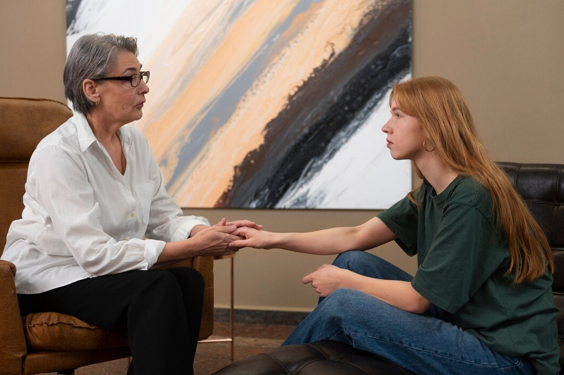
Understanding the Importance of Professional Trauma Therapy
Difficult experiences can leave emotional effects that continue long after the original event has ended. An accident, abuse, sudden loss, violence, or another frightening situation may influence how someone thinks, feels, and responds to everyday circumstances. Some individuals begin experiencing anxiety, sleep disturbances, emotional numbness, or persistent memories that interfere with their daily lives.
People respond to distressing events differently. One person may gradually regain their sense of security, while another may struggle with reminders of what happened for months or years. These responses are not signs of personal weakness. They reflect the different ways people process overwhelming experiences.
Professional trauma therapy provides a structured environment where individuals can understand their reactions and work towards emotional stability. With appropriate guidance, they can develop ways to manage distress and rebuild a sense of safety.
How Traumatic Experiences Affect Emotional Well-Being
Trauma can result from a single event or repeated exposure to threatening or distressing circumstances. Experiences may include childhood abuse, domestic violence, serious accidents, natural disasters, medical emergencies, or witnessing violence.
Not everyone who experiences a traumatic event develops a trauma-related mental health condition. However, some people continue to experience reactions that interfere with their everyday functioning.
These reactions can appear in several ways. Emotionally, someone may feel frightened, angry, ashamed, or disconnected. Physically, they may experience muscle tension, headaches, rapid breathing, or difficulty sleeping.
Changes in behaviour can also occur. A person may avoid certain locations, withdraw from relationships, become unusually alert, or struggle to concentrate at work.
Understanding these reactions can help individuals recognise that their experiences deserve attention and support.
Why Professional Guidance Can Make a Difference
Friends and family members often provide valuable comfort after a difficult experience. However, supporting someone through trauma can involve challenges that require specialist knowledge.
A trained therapist understands how trauma can affect memory, emotional regulation, relationships, and the body’s stress response. They can help individuals explore their symptoms without pressuring them to discuss painful details before they feel ready.
Therapy also provides an opportunity to identify personal triggers. A particular sound, smell, location, conversation, or situation may bring back feelings associated with the original experience.
Recognising these triggers can help individuals understand why certain reactions occur. A therapist can then introduce techniques for responding to distress in a safer and more manageable way.
See also: Exploring the Benefits of Owning a Viking Sportfish Under 60 Feet
Different Types of Trauma Therapy
Trauma treatment is not based on a single method. A therapist may recommend an approach depending on the person’s history, symptoms, preferences, and current circumstances.
Trauma-focused cognitive behavioural therapy
Trauma-focused CBT helps individuals examine thoughts and beliefs connected to a traumatic experience. It may address feelings of guilt, self-blame, fear, and negative expectations.
The process can include learning emotional regulation skills and gradually working through trauma-related memories in a controlled therapeutic setting.
Eye Movement Desensitisation and Reprocessing
EMDR is a structured therapy used for certain trauma-related difficulties, particularly post-traumatic stress disorder. It involves recalling aspects of a distressing memory while following a therapist-guided process that includes bilateral stimulation.
The treatment aims to help individuals process memories that continue to cause significant distress.
Prolonged exposure therapy
This approach may be recommended for people experiencing PTSD. It involves gradually and safely confronting trauma-related memories or situations that have been avoided.
Treatment is planned with a qualified professional, and the pace should take the individual’s needs and readiness into account.
Present-focused and supportive therapy
Some individuals first need help establishing emotional stability, managing stress, and improving everyday functioning. Supportive approaches can provide space to develop these skills before considering more intensive trauma-focused work.
Learning to Recognise and Manage Triggers
A trigger is something that brings back an emotional or physical reaction associated with a difficult experience. It may be obvious, such as returning to the location of an accident, or less noticeable, such as hearing a familiar sound.
When triggered, someone may experience fear, rapid breathing, sweating, tension, or an overwhelming urge to leave the situation.
Therapy can help individuals identify recurring triggers and understand the reactions connected to them. Grounding exercises are sometimes introduced to help someone reconnect with their present surroundings.
A simple grounding activity might involve identifying objects in the room, noticing the feeling of the floor beneath their feet, and taking slow, comfortable breaths.
These techniques do not remove traumatic memories. They can, however, help individuals manage moments of distress and recognise that they are currently in a different environment.
The Connection Between Trauma and Relationships
Traumatic experiences can affect how individuals relate to other people. Someone who has experienced betrayal, abuse, or repeated emotional harm may find it difficult to trust others.
They may become uncomfortable with physical closeness, avoid conversations about feelings, or react strongly to disagreements. In other situations, they may become overly dependent on reassurance because they fear being abandoned.
These responses can create misunderstandings between partners, relatives, and friends.
Therapy provides an opportunity to explore how past experiences influence present relationships. Individuals can learn to communicate their boundaries, recognise emotional reactions, and develop healthier expectations of others.
Partners or family members may sometimes participate in selected sessions if the therapist believes this would be helpful and the individual agrees.
Rebuilding a Sense of Safety and Control
A traumatic experience can leave someone feeling that their life is unpredictable. They may become highly alert to potential danger, even in situations that are generally safe.
Rebuilding a sense of control often involves practical and emotional work. A therapist may encourage individuals to establish consistent routines, practise self-care, and identify supportive people they can contact during difficult periods.
Setting small goals can also help. Someone who has avoided social activities may begin by meeting one trusted friend in a familiar place rather than immediately returning to large gatherings.
These steps should be guided by personal readiness. Healing does not follow a fixed schedule, and individuals should not feel pressured to reach milestones according to someone else’s expectations.
Why Trying to Manage Trauma Alone Can Be Difficult
Some people avoid professional support because they believe discussing the experience will make their symptoms worse. Others feel embarrassed or worry that they will not be believed.
It is understandable to feel hesitant about sharing painful memories. However, avoiding every reminder may sometimes reinforce fear and restrict everyday activities.
A trained therapist can help determine what should be addressed and when. Professional treatment does not require individuals to disclose everything during their first appointment.
The initial sessions may focus on understanding current symptoms, discussing personal goals, and establishing a comfortable working relationship.
Finding a Therapist Who Understands Trauma
Choosing a suitable professional is an important part of the process. Individuals can look for licensed practitioners with relevant experience in trauma treatment.
Useful questions include:
- What experience do you have working with trauma-related concerns?
- Which therapeutic approaches do you use?
- How do you help clients manage distress during sessions?
- What happens if I feel uncomfortable discussing a particular experience?
- How do you assess progress during treatment?
Feeling respected and listened to matters. A person should be able to discuss their concerns without feeling rushed, blamed, or judged.
Giving Yourself Time to Recover
Recovery from trauma is rarely a straight path. Some periods may feel easier, while stressful situations can bring back difficult emotions. Temporary setbacks do not necessarily mean that treatment has failed.
Professional trauma therapy can provide the guidance, emotional support, and practical skills needed to work through these experiences. It also helps individuals recognise their strengths and develop a healthier relationship with their past.
Anyone experiencing severe distress, thoughts of self-harm, or an immediate safety concern should seek urgent professional or emergency assistance.
A difficult experience does not have to define every part of a person’s future. With appropriate support, individuals can gradually rebuild confidence, strengthen relationships, and regain greater comfort in everyday life.