Where to Buy TYR Shoes and How to Pick the Right Pair for Your Training
Choosing a training shoe online is harder than choosing one in a shop. You cannot feel the sole, test the strap, or squat in the pair before paying. That makes it worth knowing where to purchase, what to check on the product page, and which type of shoe fits the way you train. Lifters who want to buy TYR shoes can save themselves a return by settling a few questions first.
Start With the Official Store
The simplest place to purchase is the brand’s own website. Buying direct means you see the full current range, including colourways and sizes that third-party sellers often run out of. It also means the product descriptions, size charts and care details come from the maker, so there is less room for mismatched listings.
Direct purchase also makes returns and exchanges easier to handle. If a size runs small or the heel height does not suit your squat, you deal with one company, and the policy is written on the same site where you ordered. Marketplace listings can look cheaper at first glance, but unclear seller histories and older stock are common, and a pair that has sat in a warehouse for years may have a stiffened sole or degraded adhesive.
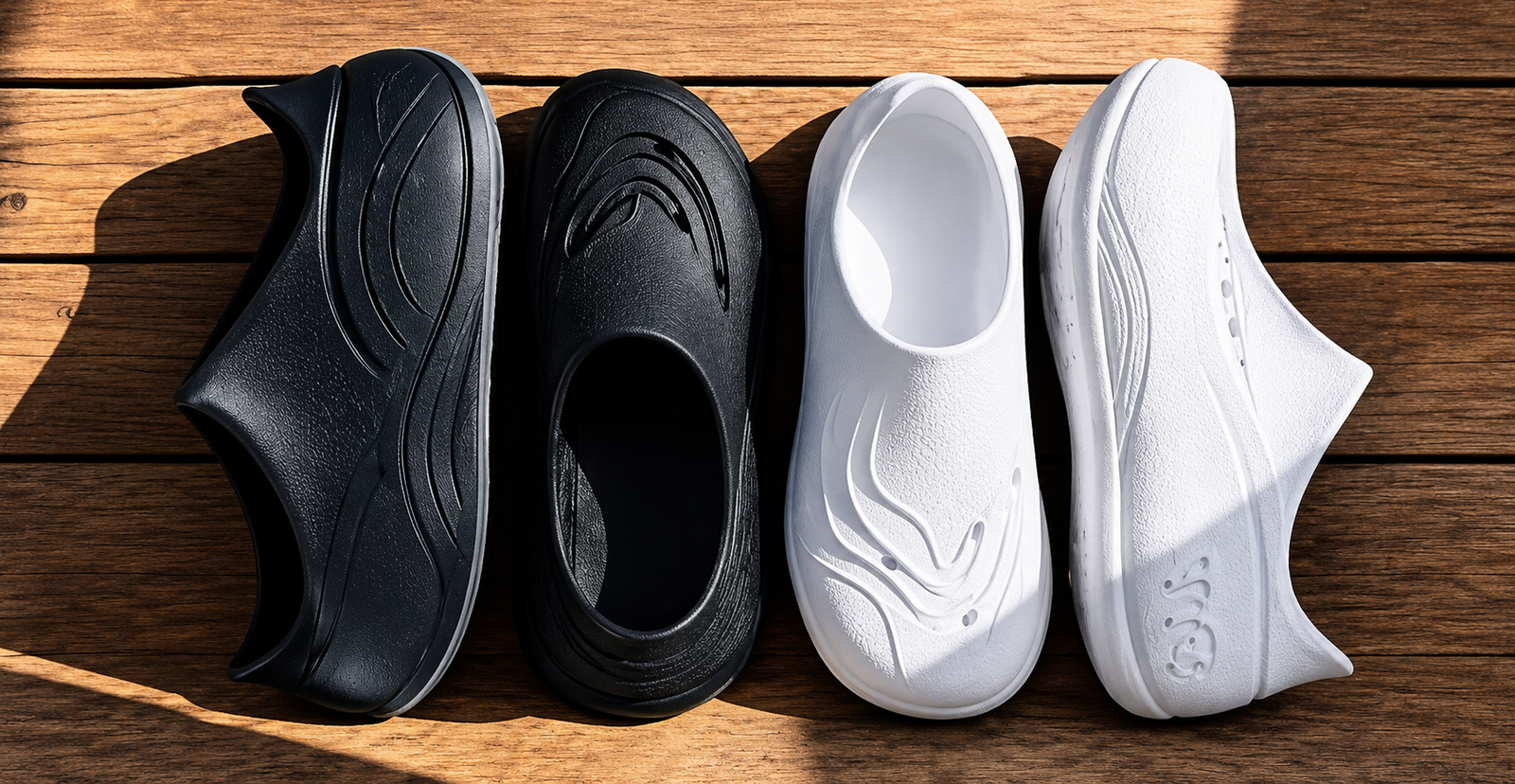
Before narrowing down to one model, look through the full TYR range of footwear, apparel and accessories. Seeing the full catalogue helps you judge whether you need a lifting shoe, a cross-trainer, or something more general.
Decide What You Train Most
The right pair depends on what fills most of your week, so this is the first filter to apply.
A dedicated lifting shoe suits people who squat, clean, snatch or press heavy loads several times a week. It has a firm, flat platform and usually a raised heel, which helps with depth and balance under the bar.
A cross-training shoe suits mixed sessions with box jumps, short runs, rope climbs and moderate lifting in the same hour. It trades some rigidity for forefoot flexibility, so it handles movement in all directions without feeling stiff.
A general gym shoe suits lighter work, such as machines, accessory lifts and short cardio blocks. It offers more cushioning but less stability under heavy loads.
Be honest about the proportions. A lifter who squats twice a week and spends the rest of the session on conditioning will usually be better served by a cross-trainer than by a rigid weightlifting shoe.
Read the Sole Description Carefully
Product pages describe soles in terms that matter more than they appear to. Look for the heel height, usually listed in millimetres, and the stack of the forefoot. A higher heel helps lifters who struggle with ankle mobility in a squat, while a flatter profile suits deadlifts and general work.
Check the sole material too. Dense rubber or hard compounds give the stable base that heavy lifting calls for, while softer foam suits running and light training. If a listing mentions a firm midsole, it is describing the part that stops the shoe from compressing under load.
Pay Attention to Fit Details
Sizing is the most common reason for returns, so slow down here. Compare your measured foot length with the brand’s size chart rather than assuming your usual size carries over from another label. Measure in the evening, when feet are slightly larger, and wear the socks you train in.
A good lifting or training shoe holds the heel without slipping and leaves room for the toes to spread. A strap across the midfoot should tighten the shoe around the arch without pinching. If you have wide feet, check whether the model comes in a wider fit or whether the upper has enough give.
Read customer reviews for fit comments. When several buyers say a shoe runs narrow or half a size small, treat that as useful information and adjust your order.
Match the Shoe to Your Experience Level
Newer lifters do not need the most specialised pair. A flat, firm shoe is enough while you learn the movements and work with moderate weights. As loads rise and technique stabilises, a dedicated lifting shoe with a raised heel starts to show clear benefits.
Experienced lifters often keep two pairs: one with a raised heel for squats and Olympic lifts, and a flatter pair for pulls and accessory work. That is not a requirement, but it reflects how different lifts place different demands on the foot.
Athletes who compete or train in a CrossFit-style setting should look for durable uppers that resist rope abrasion and a sole that grips on varied surfaces, since these sessions can wear out soft materials quickly.
Time Your Purchase Around Sales
Training footwear is a meaningful expense, and prices shift across the year. Seasonal sales can bring useful reductions on performance gear, so it is sensible to check the early Black Friday sale before paying full price. Decide on the type and size first, so a discount helps you buy the right shoe cheaply and does not push you into a pair that does not suit your training.
If your current shoes are still working, waiting for a sale makes sense. If your heels are lifting in the squat or your feet slide mid-lift, the improvement in training quality may outweigh a small saving.
Check the Return and Exchange Terms
Before paying, read the return window, the condition requirements for returned items and who pays for shipping. Training shoes are hard to judge from a quick try-on at home, so you want room to test them properly. Walk around in them, load a bar lightly and check the squat position before committing.
Keep the packaging and avoid wearing them outdoors during the trial period, since many policies require items to be unworn. A few minutes of testing on a clean gym floor can tell you most of what you need to know.
Break Them In Sensibly
New training shoes need a short adjustment period. Wear them for warm-ups and lighter sets in the first session, and pay attention to pressure points around the heel and the strap. Stiffer lifting shoes may feel unfamiliar at first, particularly the raised heel, which shifts your balance slightly forward.
Give yourself a few sessions to adapt before judging the shoe. If a specific spot rubs or the fit feels loose after that, an exchange for a different size is a reasonable next step.
Making the Final Call
Pick the shoe by the work you do most, check the sole and sizing details against your own measurements, and buy from a source that stands behind returns. Those three decisions cover most of what separates a good purchase from a pair that sits unused in a gym bag. Once the shoes are on and the bar is loaded, you will know quickly whether you chose well.