Exploring the Benefits of Owning a Viking Sportfish Under 60 Feet
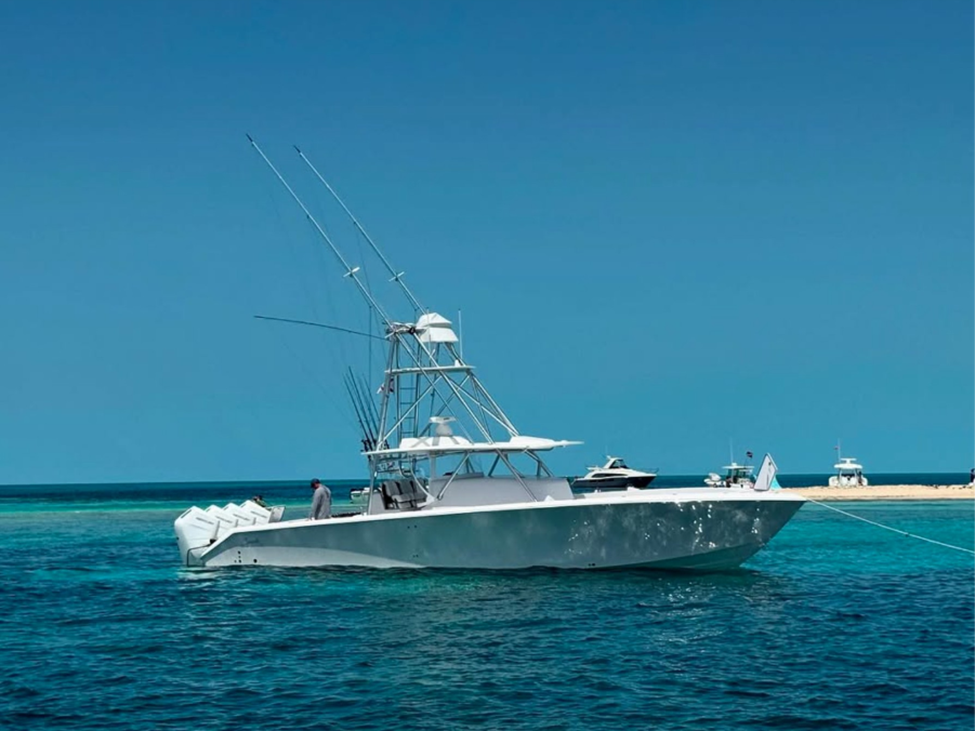
Sportfishing boats are designed for owners who enjoy spending time offshore and appreciate the combination of fishing capability, onboard comfort, and dependable performance. Within this category, Viking sportfish yachts have attracted considerable interest from experienced anglers and recreational boaters. Models under 60 feet offer a particularly appealing balance of usable space, fishing facilities, and manageable ownership requirements.
A yacht in this size range can provide many of the features associated with larger sportfishing vessels without requiring the same level of space, crew arrangements, or operating resources. For buyers considering an upgrade from a smaller boat, a Viking sportfish under 60 feet may offer a practical step towards more ambitious offshore trips.
A Balance Between Size and Practicality
Boat size influences almost every aspect of ownership. Larger vessels generally provide more interior space, greater storage capacity, and additional room for fishing equipment. However, they may also involve higher fuel consumption, larger docking requirements, and increased maintenance expenses.
A Viking sportfish under 60 feet offers a middle ground for owners who want substantial offshore capability without moving into a significantly larger yacht category.
The available space can accommodate a dedicated helm area, comfortable passenger seating, cabin facilities, and a fishing cockpit. This arrangement allows owners to enjoy different activities without making the vessel unnecessarily difficult to operate.
The actual benefits depend on the model and its configuration. Buyers should compare individual layouts to understand how much space is dedicated to fishing, accommodation, storage, and entertainment.
Designed for Offshore Fishing
Offshore fishing requires a vessel that can support long hours on the water and provide a suitable platform for anglers. Sportfish boats are generally arranged around these requirements.
A Viking sportfish may include features such as a spacious cockpit, rod holders, tackle storage, fish boxes, bait preparation areas, and equipment for managing fishing lines. These facilities help keep frequently used items organised during a trip.
Cockpit space is especially valuable when several people are fishing together. Anglers need enough room to move safely, handle equipment, and respond to fish movements without creating unnecessary congestion.
The arrangement of the cockpit also affects cleaning and maintenance. Accessible washdown systems, practical drainage, and durable surfaces make it easier to remove salt, bait residue, and other debris after returning to the marina.
See also: Why Aluminum Piling Lights Are a Smart Choice for Waterfront Properties
Hull Design and Offshore Handling
A sportfishing yacht must handle changing water conditions while carrying passengers, fuel, equipment, and fishing supplies. Hull design therefore deserves close attention during the buying process.
Viking boats are known within the sportfishing market for their performance-focused designs and construction. However, handling characteristics vary by model, engine package, loading, and operating conditions.
Owners should assess the vessel’s ride quality at different speeds and observe how it responds to turns and changing sea conditions. A professional sea trial offers an opportunity to evaluate these characteristics rather than relying solely on published specifications.
The captain should also become familiar with the boat’s operating limits. Weather forecasts, offshore conditions, fuel reserves, and passenger comfort all influence the suitability of a planned trip.
Comfortable Accommodation for Longer Journeys
One advantage of owning a sportfish yacht under 60 feet is the opportunity to combine serious fishing facilities with comfortable accommodation.
Depending on the model, the interior may include sleeping cabins, bathrooms, a galley, dining arrangements, and a salon. These facilities make longer trips more practical because passengers have somewhere to rest and prepare meals between activities.
Interior design can vary significantly across Viking models. Buyers should examine the number of sleeping spaces, bathroom arrangements, storage compartments, and ventilation.
Natural light and practical movement between the cabin and cockpit also influence everyday comfort. A well-arranged interior allows passengers to use the yacht without interfering with the captain’s responsibilities or fishing activities.
For owners who regularly spend weekends offshore, suitable accommodation can make the vessel more enjoyable for family trips and overnight fishing excursions.
Advanced Navigation and Fishing Electronics
Electronics are an essential part of offshore boating. Modern navigation equipment can help captains plan routes, monitor weather conditions, identify surrounding vessels, and locate fishing areas.
A Viking sportfish may be equipped with multifunction displays, GPS, radar, sonar, autopilot, VHF communication, and engine monitoring systems. The exact equipment depends on the year, model, and previous owner selections.
Fishing enthusiasts may prioritise high-quality sonar and fish-finding equipment. Owners who undertake longer offshore journeys may also pay close attention to radar coverage, navigation redundancy, and communication facilities.
A boat’s electronics package should be evaluated as part of the purchase inspection. Older equipment may still function properly but could lack features available in newer systems. Buyers should consider the cost of upgrading displays, sensors, wiring, or other components.
Suitable for Family Use
Sportfishing boats are often associated with offshore anglers, but their layouts can also suit family recreation.
A yacht under 60 feet may provide comfortable seating, indoor accommodation, a galley, and areas where passengers can relax while the captain handles the vessel. Families can enjoy sightseeing, fishing, swimming where appropriate, and overnight stays.
The separation between cockpit and interior living areas can be particularly useful. Passengers who are not interested in fishing can spend time inside or relax away from the activity in the cockpit.
Safety arrangements should be reviewed carefully, especially for families travelling with children. Owners should check access to life jackets, emergency equipment, handholds, and safe movement between different sections of the boat.
More Manageable Docking and Storage Requirements
A yacht’s dimensions influence where it can be stored and which marinas can accommodate it. Vessels under 60 feet may offer more flexibility than larger sportfish yachts, although beam, draft, and overall height remain important considerations.
Docking arrangements vary between marinas. Some facilities have restrictions based on slip dimensions, water depth, or available services. Owners should confirm that their preferred marina can accommodate the exact model.
Haul-out arrangements and winter storage also deserve consideration. A vessel that can be serviced by more nearby facilities may offer practical advantages during routine maintenance.
Docking assistance, bow thrusters where fitted, and suitable visibility from the helm can make handling easier. However, owners should still develop proper docking skills and understand how wind and current affect the boat.
Ownership Costs and Maintenance Planning
A sportfish yacht represents a significant financial commitment beyond its purchase price. Fuel, engine servicing, insurance, dockage, cleaning, and equipment replacement all contribute to annual expenses.
Engine maintenance is particularly important. Buyers should review service documentation and confirm that major maintenance tasks have been completed according to manufacturer recommendations.
Other areas requiring attention include:
- Hull condition and previous repair work.
- Electrical connections and onboard battery systems.
- Air conditioning and refrigeration equipment.
- Pumps, plumbing, and freshwater systems.
- Navigation electronics and communication equipment.
- Steering, controls, and engine room ventilation.
- Safety equipment and emergency systems.
A pre-purchase marine survey helps identify visible concerns and areas that require further investigation. Buyers may also arrange specialist engine inspections to obtain a clearer picture of mechanical condition.
Resale Appeal and Market Considerations
Viking has an established presence in the sportfishing yacht market. Brand recognition, model reputation, build quality, and maintenance records can influence buyer interest when an owner decides to sell.
However, resale value is never guaranteed. The condition of the individual yacht, engine hours, equipment upgrades, maintenance history, and prevailing market demand all affect its value.
A well-documented service history can help prospective buyers understand how the yacht has been maintained. Original equipment records, invoices, survey reports, and ownership documents are useful during resale discussions.
Owners should also avoid unnecessary modifications that may compromise the boat’s intended layout or operating characteristics.
Choosing the Right Viking Sportfish Model
Buyers exploring Viking sportfish yachts under 60 feet should compare several models rather than selecting a vessel based on length alone.
The number of cabins, cockpit arrangement, engine configuration, fuel capacity, cruising performance, and installed electronics all deserve attention. An owner who prioritises offshore fishing may have different requirements from someone who plans regular family outings.
A physical inspection and sea trial can help establish whether a particular yacht meets those requirements. Professional advice from a qualified marine surveyor and experienced service technicians can provide additional confidence during the purchase.
A Practical Option for Offshore Enthusiasts
A Viking sportfish under 60 feet can offer an attractive combination of fishing facilities, onboard accommodation, offshore performance, and practical dimensions. Its size may suit owners who want a capable sportfishing yacht without moving into a substantially larger vessel.
Careful model comparisons, realistic budgeting, and thorough inspections remain essential. The right yacht is one that matches the owner’s fishing interests, cruising plans, available maintenance resources, and expectations for life on the water.